
US Halts HIV Programme Funding in South Africa Amid Health Crisis
The United States stops funding for HIV programmes in South Africa, affecting millions. Learn about the impact on the nation's health initiatives and response.
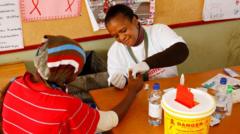
US Withdraws Support from HIV Initiatives in South Africa
The United States has announced the cessation of financial support for HIV programme funding South Africa, marking a significant shift in international health cooperation. This decision comes at a critical moment when the nation grapples with managing its substantial viral load population and expanding treatment accessibility.
South Africa currently hosts the largest HIV-positive population globally, with more than eight million individuals living with the virus. This staggering figure underscores the magnitude of the public health challenge confronting the country and the importance of sustained international investment in combating the epidemic.
Scale of the Health Challenge
The epidemiological landscape in South Africa presents one of the most formidable infectious disease burdens on the African continent. The eight million people living with HIV represent approximately 13-14% of the nation's total population, creating unprecedented demands on healthcare infrastructure, social support systems, and economic resources. This concentration of cases has made South Africa the focal point for global HIV research, treatment innovation, and prevention strategy development.
Implications of Reduced International Support
The withdrawal of US funding raises profound questions about the sustainability of existing HIV programmes in South Africa. For decades, American financial contributions have bolstered diagnostic capabilities, antiretroviral therapy distribution networks, and prevention education initiatives across the country. These resources have been instrumental in scaling up treatment programs that have transformed survival rates and improved quality of life for millions of South Africans living with HIV.
Healthcare facilities, non-governmental organizations, and community-based initiatives have relied heavily on international grants to maintain their operational capacity. The funding discontinuation threatens to disrupt established treatment protocols, interrupt patient care continuity, and potentially compromise the gains achieved over the past two decades in expanding access to life-saving medications.
National Response and Alternative Strategies
South Africa's government faces mounting pressure to identify alternative funding mechanisms and domestic resources to compensate for the anticipated revenue shortfall. Policymakers must evaluate options including increased national budget allocations, partnerships with other international donors, and private sector engagement to maintain the momentum of their HIV response efforts.
The country has demonstrated remarkable progress in recent years, expanding antiretroviral therapy coverage to unprecedented levels and reducing mother-to-child transmission rates significantly. These achievements represent years of collaborative effort between domestic institutions, international health organizations, and donor countries committed to addressing the epidemic.
Global Health Implications
This policy shift carries consequences extending beyond South Africa's borders. The nation serves as a testing ground for HIV intervention strategies, treatment protocols, and prevention methodologies that inform global health practice. Disruptions to research and implementation programs could slow innovation in areas critical to managing the worldwide epidemic.
The decision also reflects broader changes in international development priorities and resource allocation strategies. As global health funding becomes increasingly competitive, countries with substantial disease burdens face difficult choices about how to maintain essential services with limited resources.
Looking Forward
South Africa's response to this funding withdrawal will be crucial for demonstrating the nation's commitment to its own health security. Strengthening domestic capacity, mobilizing alternative resources, and forging new international partnerships will be essential strategies for maintaining the progress achieved in HIV treatment and prevention initiatives throughout the country.


