
Oil Prices Decline as Strait of Hormuz Reopens
Oil prices drop following diplomatic progress on Strait of Hormuz reopening. Secretary Rubio and Bessent announce resumed shipments and trade negotiations.
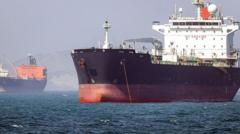
Oil Prices Decline Following Strait of Hormuz Reopening Developments
Global energy markets experienced significant movement as Strait of Hormuz reopening negotiations advanced, with crude prices falling in response to improved diplomatic prospects. The Strait of Hormuz reopening represents a critical development for international trade, with major US officials confirming substantive progress in negotiations that could restore vital maritime shipping corridors.
Diplomatic Breakthrough Announced by US Officials
US Secretary of State Marco Rubio and Treasury Secretary Scott Bessent jointly announced that negotiations surrounding the Strait of Hormuz reopening have reached a new phase, enabling shipments to resume across this crucial waterway. Both officials emphasized the significance of this development for global economic stability and energy security.
Impact on International Crude Markets
The announcement regarding Strait of Hormuz reopening triggered an immediate market response, with oil prices retreating from elevated levels. Traders and analysts interpreted the diplomatic progress as a positive signal for supply chain normalization and reduced geopolitical risk premiums that had characterized recent market conditions.
Strategic Importance of Maritime Shipping Corridors
The Strait of Hormuz represents one of the world's most critical chokepoints for energy transportation, with millions of barrels daily passing through its waters. The Strait of Hormuz reopening would directly address supply concerns that have pressured global markets and created uncertainty among energy producers and consumers worldwide.
Negotiations Achieve Renewed Momentum
Secretary Rubio and Secretary Bessent's coordinated statements reflected the highest levels of diplomatic engagement on this matter. Their announcement indicated that talks have successfully navigated previous obstacles, creating a pathway for resumed commercial activities and normalized trade relationships in the region.
Economic Implications of Reopening
The potential Strait of Hormuz reopening carries substantial implications for global GDP growth, inflation dynamics, and energy-dependent industries. Markets have already begun pricing in scenarios where increased supply stability reduces energy cost pressures on manufacturing, transportation, and consumer sectors.
Market Reactions and Future Outlook
Commodity exchanges and financial markets worldwide registered positive sentiment following the reopening announcement. Analysts project that sustained Strait of Hormuz reopening would contribute to price stability, improved consumer purchasing power, and enhanced predictability for long-term energy planning by nations and corporations.


