
Trump Warns of Fresh Canada Tariffs Amid Cross-Border Wildfire Smoke Crisis
Trump threatens new tariffs on Canada over wildfire smoke affecting US air quality. Expert analysis reveals climate change's role in intensifying fire condition...
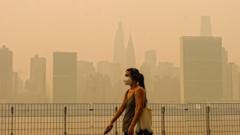
Trump Threatens Additional Tariffs on Canada Over Wildfire Smoke Affecting American Air Quality
The escalating tensions between the United States and Canada have reached new heights as the Trump administration warns of imposing additional tariffs on Canadian goods in response to wildfire smoke degrading air quality across major US cities. This Canada tariffs wildfire smoke controversy highlights the intersection of environmental policy, trade relations, and climate considerations between the two neighboring nations.
The Air Quality Crisis and Trump's Response
Thick plumes of smoke from wildfires burning across Canada have drifted southward, creating hazardous air quality conditions in numerous American metropolitan areas. The Trump administration has attributed this situation to inadequate fire management practices and climate-related factors, using the environmental impact as justification for threatening fresh trade penalties against Ottawa. Officials characterize the incoming smoke as 'filthy' and argue that Canada bears responsibility for the transnational pollution affecting American citizens' health and well-being.
Mark Carney's Position on Climate Accountability
Canadian leader Mark Carney has responded to these accusations by emphasizing that addressing climate change requires shared responsibility between both nations. Rather than accepting sole blame for the wildfire crisis, Carney argues that the United States and Canada must collaborate on comprehensive climate action strategies. His perspective suggests that the root causes of intensified wildfire activity stem from broader environmental trends affecting the entire continent.
Expert Analysis: Climate Change's Role in Wildfire Intensification
Scientific experts have provided crucial context to this dispute by confirming that climate change significantly exacerbates wildfire conditions throughout North America. Rising temperatures, prolonged drought periods, and shifting precipitation patterns create ideal circumstances for larger, more frequent, and more intense wildfires. These environmental factors operate independently of individual nations' fire management policies, suggesting that effective solutions require coordinated continental approaches rather than unilateral trade measures.
Scientific Evidence and Environmental Data
Research demonstrates that warming temperatures have extended fire seasons in both the United States and Canada, allowing wildfires to burn longer and spread across greater distances. Declining soil moisture levels, attributed to changing climate patterns, increase vegetation susceptibility to ignition. Scientists emphasize that understanding these mechanisms is essential for developing effective policy responses that address root causes rather than symptoms of the wildfire crisis.
Trade Tensions and Environmental Policy Conflicts
The proposed tariffs represent a significant escalation in ongoing trade disputes between the two countries. Environmental advocates argue that trade penalties fail to address the underlying climate factors driving increased wildfire activity. Instead, some policy analysts suggest that coordinated investment in fire prevention infrastructure, controlled burn programs, and climate mitigation strategies would prove more effective than tariff-based approaches.
International Implications of Trade Disputes
These tariff threats extend beyond bilateral trade concerns, carrying implications for North American economic integration and continental environmental governance. The approach raises questions about whether trade mechanisms constitute appropriate tools for addressing transnational environmental challenges. Alternative frameworks for cooperation might include joint funding for fire prevention, shared research initiatives, and coordinated climate adaptation programs.
Perspectives on Shared Environmental Responsibility
The Canada tariffs wildfire smoke dispute ultimately reflects differing interpretations of responsibility in an interconnected environmental system. Canadian officials maintain that meaningful solutions require acknowledging climate change as a shared challenge transcending national boundaries. This perspective aligns with scientific consensus regarding the need for comprehensive, multinational approaches to climate-related environmental crises.
Public Health Concerns and Air Quality Standards
Beyond political considerations, the wildfire smoke crisis poses legitimate public health challenges for American citizens. Air quality degradation affects vulnerable populations, including children, elderly individuals, and those with respiratory conditions. Addressing these health impacts requires coordination across jurisdictions and may necessitate emergency response measures regardless of the underlying policy disputes.
Looking Forward: Potential Solutions and Negotiations
Resolution of this dispute may depend on both nations' willingness to separate trade disputes from environmental cooperation. Policy experts suggest that establishing collaborative frameworks for fire management, climate adaptation, and transboundary pollution could address legitimate concerns while avoiding economically damaging trade escalations. Such approaches might include bilateral environmental agreements, joint funding mechanisms, and coordinated scientific research programs.
The emerging consensus among environmental professionals emphasizes that wildfires affecting multiple nations require continental solutions. Whether through formal agreements or informal cooperation mechanisms, both the United States and Canada face compelling incentives to develop coordinated strategies. The Canada tariffs wildfire smoke controversy serves as a reminder that environmental challenges increasingly transcend political boundaries and demand multifaceted, collaborative responses grounded in scientific understanding and mutual interest.


