
Polish Teen Charged With Executing Russian Sabotage Operations in Poland
Polish security services accuse a teenager of conducting Russian sabotage operations aimed at inciting ethnic tensions between Poland and Ukraine. Details emerg...
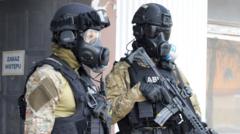
Teenager Faces Charges for Russian Sabotage Operations in Poland
Polish intelligence authorities have formally accused a teenager of orchestrating multiple Russian sabotage operations across Polish territory. The young suspect, whose identity remains protected due to age considerations, allegedly executed a coordinated campaign designed specifically to destabilize bilateral relations between Poland and Ukraine through deliberate provocation.
The investigation into Russian sabotage operations in Poland has revealed an alarming pattern of coordinated activities targeting critical infrastructure and public sentiment. Security officials determined the suspect acted under direct guidance from foreign operatives based in Russia, receiving instructions and resources to execute tasks that would exacerbate existing tensions within the region.
Strategic Objectives Behind the Sabotage Campaign
According to Polish security services, the primary goal of these Russian sabotage operations centered on artificially manufacturing ethnic conflict between Polish and Ukrainian communities. By orchestrating incidents designed to appear as though one nation was attacking the other, operatives aimed to erode the strong diplomatic partnership between Warsaw and Kyiv.
This strategy aligns with documented Russian disinformation and destabilization tactics employed throughout Eastern Europe. The teenager's involvement demonstrates concerning attempts to recruit younger individuals who may be perceived as less suspicious by law enforcement agencies.
Scope and Nature of Activities
Polish authorities have documented extensive details regarding the scope of operations the accused teenager allegedly conducted. The Russian sabotage operations included attempts to damage critical infrastructure, disseminate inflammatory social media content, and coordinate offline provocations intended to trigger confrontations between Polish and Ukrainian residents.
Officials noted that the suspect received financial compensation and technical support from handlers located outside Poland. Communication between the teenager and Russian controllers occurred through encrypted platforms and anonymous networks specifically designed to evade detection by security services.
Polish Security Response and Investigation
The Polish security apparatus intensified monitoring following suspicious activities detected in multiple regions simultaneously. Counter-intelligence teams recognized patterns consistent with foreign interference campaigns and launched a comprehensive investigation that ultimately identified the teenage suspect.
During interrogation, the accused teenager provided investigators with detailed information about the broader network operating Russian sabotage operations throughout Poland. This intelligence has proven invaluable for understanding the scope of external interference attempts.
Implications for Poland-Ukraine Relations
Despite the sabotage attempts, Polish and Ukrainian officials have maintained their unified stance against Russian aggression. Both nations recognize such operations as manifestations of broader hybrid warfare strategies employed by Moscow against NATO members and neighboring states.
The discovery of this network reinforces commitments by both countries to strengthen security cooperation and intelligence sharing to prevent future destabilization attempts. Regional leaders have reaffirmed their dedication to undermining Russian disinformation and sabotage efforts.
Broader Context of Regional Instability
This incident represents one of numerous documented cases involving Russian sabotage operations targeting Eastern European nations. From infrastructure damage to coordinated disinformation campaigns, such activities demonstrate Moscow's persistent efforts to destabilize the region through proxy operations.
Security experts attribute part of this escalation to heightened geopolitical tensions following Russia's military actions in Ukraine. The utilization of teenage operatives suggests adaptation of recruitment strategies by foreign intelligence services.
Legal Proceedings and Future Outlook
Polish judicial authorities have initiated formal proceedings against the accused teenager. The case will likely establish important precedent regarding how nations address juvenile involvement in foreign sabotage operations. Legal experts anticipate the proceedings will shed additional light on how external powers recruit and manipulate younger individuals for destabilization purposes.
The Polish government continues working with allied nations to dismantle networks involved in Russian sabotage operations across the region. Enhanced security protocols and intelligence cooperation remain priorities for preventing similar incidents in the future.


