
Pakistan Hospital Fire Claims 14 Newborns While Door Security Disputed
A devastating fire at a Pakistani hospital resulted in 14 baby deaths. Witnesses claim the ward door was locked, while hospital officials dispute the account an...
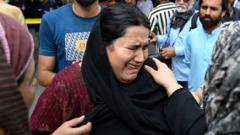
Tragic Hospital Fire Kills 14 Babies in Pakistan
A catastrophic fire at a Pakistan hospital has resulted in the loss of 14 newborn lives, sparking serious questions about safety protocols and emergency procedures. The incident has ignited heated debate between eyewitness accounts and official hospital statements regarding the security measures that were in place during the emergency.
Conflicting Accounts Over Ward Access
The Pakistan hospital fire has become the center of controversy regarding whether critical safety doors were properly accessible during the emergency. Multiple witnesses present at the scene have provided testimonies claiming that the entrance to the neonatal ward was locked at the time of the incident, which they argue severely hampered evacuation efforts and rescue operations.
In stark contrast, hospital authorities have issued statements denying these allegations. According to the medical facility's official response provided to the BBC, the ward door was not locked but rather was being actively manned by dedicated security personnel. The hospital emphasizes that guards were stationed at the entrance specifically to maintain a protective barrier for the vulnerable newborn patients housed in the facility.
Security Measures and Protective Protocols
The hospital's explanation regarding its security arrangement reflects a common practice in medical facilities where neonatal wards require restricted access for infection control and patient safety reasons. Hospital officials contend that having security personnel stationed at the ward entrance served dual purposes: maintaining a secure environment for the infants while allowing authorized personnel to enter and exit as needed during emergencies.
However, the fundamental question remains whether such security arrangements inadvertently impeded rapid evacuation when the fire emergency developed. Emergency response experts frequently debate the balance between maintaining restricted access in sensitive medical areas and ensuring rapid egress during life-threatening situations.
Investigation Into Hospital Fire Circumstances
The Pakistan hospital fire investigation is examining multiple factors that contributed to the tragedy. Authorities are reviewing fire safety infrastructure, including the presence and functionality of emergency exits, fire suppression systems, and alarm mechanisms. The investigation will also scrutinize whether proper fire drills and evacuation procedures had been conducted among staff members.
Independent safety audits of such medical facilities often reveal gaps between documented safety protocols and actual implementation. The neonatal ward's specific layout, the number of available exits, and the positioning of firefighting equipment all play crucial roles in determining response effectiveness during emergencies.
Broader Implications for Hospital Safety Standards
This Pakistan hospital fire incident raises critical questions about healthcare facility safety standards across the region. Regulatory bodies responsible for overseeing medical institutions face pressure to strengthen enforcement of fire safety codes, particularly in areas housing the most vulnerable patients, such as newborns in intensive care units.
International fire safety standards require that healthcare facilities maintain unobstructed emergency exits and implement training programs to ensure rapid evacuation capabilities. The tension between maintaining restricted access for medical reasons and preserving life-saving emergency egress routes represents an ongoing challenge for hospital administrators worldwide.
Impact on Families and Community Response
The families affected by the Pakistan hospital fire face unimaginable grief and loss. Many parents had entrusted their critically ill newborns to the facility with expectations of professional medical care and adequate safety measures. The tragic outcome has sparked public outcry demanding accountability and comprehensive reviews of safety practices.
Community members and advocacy groups are calling for transparent investigations and implementation of stronger oversight mechanisms. The incident has intensified scrutiny on how hospitals in Pakistan ensure compliance with international safety standards and whether adequate resources are allocated for fire prevention and emergency preparedness.
Path Forward: Safety Improvements and Accountability
In the aftermath of this devastating Pakistan hospital fire, stakeholders including government officials, hospital administrators, and public health advocates must collaborate to implement meaningful safety improvements. This includes conducting comprehensive facility audits, upgrading fire detection and suppression systems, and establishing rigorous staff training programs.
The loss of 14 newborn lives in this hospital fire tragedy serves as a sobering reminder of the critical importance of maintaining robust safety infrastructure in healthcare settings. Moving forward, lessons learned from this incident should inform policy changes and enhanced regulations to prevent similar tragedies from occurring in the future.


