
Typhoon Bavi Approaches Taiwan and China After Deadly Philippines Landslides
Typhoon Bavi, a massive 1,000 km storm, threatens Taiwan and Southeast China. Landslides in Philippines kill 15. Major disaster warning issued.
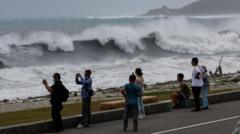
Typhoon Bavi Poses Major Threat to East Asian Region
Typhoon Bavi is intensifying into one of the most severe meteorological phenomena to strike East Asia in recent decades, creating widespread alarm across the region. The massive storm system, spanning approximately 1,000 kilometers in diameter, is advancing directly toward Taiwan and southeastern China with catastrophic potential. Typhoon Bavi represents a critical weather event that authorities across multiple nations are closely monitoring as evacuation procedures commence.
Devastating Impact in the Philippines
The Philippines has already experienced tragic consequences from severe weather conditions preceding Typhoon Bavi's arrival in the region. Landslides triggered by heavy rainfall have claimed at least 15 lives, demonstrating the destructive power of the atmospheric system even before reaching its full strength. Philippine emergency response teams continue rescue operations in affected mountainous areas, where terrain instability poses significant challenges to recovery efforts. The Philippines landslides serve as a stark reminder of the vulnerability of communities situated in geographically challenging regions susceptible to natural disasters.
Forecast and Storm Intensity
Meteorological agencies throughout East Asia have issued unprecedented warnings regarding Typhoon Bavi's trajectory and predicted intensity. Scientists predict that this weather system will rank among the most powerful cyclonic storms documented over the last several decades. The sheer scale of the storm, combined with its rapid intensification, has prompted governments to activate emergency protocols and mobilize disaster response resources. Typhoon Bavi is expected to maintain dangerous wind speeds and produce torrential precipitation as it progresses westward across the Pacific region.
Threats to Taiwan
Taiwan faces imminent danger as Typhoon Bavi tracks toward the island nation. Authorities have issued storm warnings affecting all regions, with particular concern regarding potential flooding, landslide activity, and infrastructure damage. The Taiwanese government has advised residents in vulnerable coastal and mountainous areas to prepare evacuation routes and secure essential supplies. Typhoon Bavi preparations in Taiwan include closing schools, suspending public transportation services, and positioning emergency responders in strategic locations throughout the island.
China Prepares for Impact
Southeastern China braces for significant meteorological consequences as Typhoon Bavi approaches coastal provinces. Regions including Guangdong, Fujian, and other populated areas have implemented precautionary measures to minimize potential casualties and economic losses. Chinese meteorological authorities have elevated alert levels and coordinated with provincial governments to ensure adequate emergency preparedness. The scale of Typhoon Bavi necessitates comprehensive preparation across multiple provinces and municipalities in southeastern China.
Regional Response and Preparation Efforts
Across the East Asian region affected by Typhoon Bavi, governments have mobilized disaster management resources and established coordination centers to manage the crisis. Emergency services personnel, including rescue teams, medical units, and logistical support teams, have been positioned in areas most vulnerable to storm impacts. International weather agencies continue to provide updated forecasts and technical guidance to assist national governments in their response planning. The coordinated regional approach to Typhoon Bavi demonstrates the interconnected nature of disaster preparedness in densely populated East Asian territories.
Historical Context and Severity Assessment
Typhoon Bavi's classification as potentially one of the strongest storms in decades places it within a category of rare meteorological events with historically significant impacts. Previous comparable storms have resulted in thousands of casualties and billions of dollars in economic damages. The combination of Typhoon Bavi's enormous geographic footprint and predicted intensity creates conditions for widespread devastation if protective measures prove insufficient. Experts emphasize that the region's experience with historical typhoons underscores the critical importance of preparedness and rapid response coordination.
Economic and Infrastructure Implications
Beyond immediate human safety concerns, Typhoon Bavi threatens substantial economic disruption throughout East Asia. Agricultural sectors, fishing industries, manufacturing facilities, and transportation networks face potential severe damage. Businesses throughout the region have initiated contingency protocols to minimize operational losses and protect valuable assets from storm damage. The economic ramifications of Typhoon Bavi extend beyond immediate disaster recovery, potentially affecting regional trade flows and supply chain operations throughout subsequent months.


