
Israeli Military Reports Two Hezbollah Members Killed in South Lebanon
Israeli troops kill two alleged Hezbollah operatives in south Lebanon amid ceasefire tensions. Iran-backed group denies ceasefire violation claims by Israeli mi...
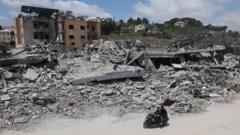
Israeli Military Strikes in South Lebanon Region
Israeli troops have reportedly killed two individuals in south Lebanon following a period of reduced military activity in the region. Israeli troops south Lebanon operations continue to generate significant tensions between the neighboring states and international observers monitoring the volatile situation. The Israeli Defense Force maintains that the two men killed were operatives affiliated with Hezbollah, the militant organization backed by Iran.
The incident marks a significant development in the already fragile security environment along the Israeli-Lebanese border. Military operations in this contested area have remained a persistent source of concern for regional stability and international diplomatic efforts aimed at maintaining peace between the two nations.
Competing Claims Over Ceasefire Status
The Iran-backed Hezbollah organization has vehemently denied Israeli assertions about the nature of the operation, instead characterizing it as a flagrant violation of established ceasefire agreements. This contradiction between Israeli military statements and Hezbollah's official position underscores the deep mistrust and ongoing disputes regarding the implementation and monitoring of any truce arrangements in the region.
According to Israeli military sources, the two men were engaged in activities deemed threatening to Israeli national security. However, Hezbollah's counter-narrative presents a fundamentally different interpretation of events, suggesting that the operation violated agreed-upon cessation of hostilities protocols.
Regional Security Implications
The killing of these two individuals comes after a notable lull in fighting between Israeli forces and Hezbollah-affiliated elements operating in south Lebanon. This period of reduced violence had created cautious optimism among international mediators and regional observers who hoped it might signal a path toward sustained de-escalation and conflict resolution.
The resumption of fatal military operations threatens to undermine these fragile developments and potentially reignite broader hostilities along the border region. Previous cycles of escalation have demonstrated the potential for rapid deterioration from localized incidents to wider-scale military confrontation involving both state and non-state actors.
Hezbollah's Position and Accusations
Hezbollah's response to the incident has centered on accusations that Israeli troops violated the terms of any existing understanding regarding military operations in the area. The organization emphasizes that Israeli military actions constitute a breach of faith in ongoing diplomatic negotiations and conflict management mechanisms.
The group's statements highlight the fundamental disagreement between the parties regarding what constitutes acceptable military conduct and the legitimate grounds for cross-border operations. These definitional disputes have consistently complicated efforts to establish durable peace agreements and mutual security arrangements.
International Observation and Monitoring
International observers and diplomatic entities have been monitoring developments in south Lebanon closely, recognizing that any escalation could have broader regional consequences. The situation reflects long-standing tensions between Israel and Hezbollah, which have periodically erupted into open conflict despite various attempts at de-escalation and conflict containment.
The incident demonstrates the challenges facing mediators and international organizations attempting to broker sustainable peace arrangements in this strategically significant region. Establishing verification mechanisms and monitoring protocols remains central to any potential long-term resolution of Israeli-Lebanese border disputes.
Historical Context of Border Tensions
The south Lebanon region has represented a flashpoint for Israeli-Hezbollah tensions for decades. Cross-border incidents, whether perpetrated by state military forces or non-state actors, have repeatedly threatened to destabilize the region and drag international powers into direct confrontation. The current incident fits within a broader pattern of periodic escalations punctuated by temporary periods of relative calm.
These cycles have historically proven difficult to break, with each side maintaining narratives and interpretations that justify their military responses while condemning those of their adversaries. The killing of two individuals in south Lebanon exemplifies how easily localized incidents can become flashpoints for broader conflict if not managed carefully through diplomatic channels and de-escalation protocols.


