
France Prohibits Alcohol Sales at Music Festivals During Red Heat Alert
France bans alcohol at music festivals during extreme heat waves to protect public health. Discover how authorities manage street party safety at 40°C temperatu...
France Bans Alcohol at Music Festivals During Red Heat Alert
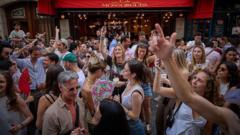
France bans alcohol at music festivals and major street events as the nation faces an unprecedented red heat alert. Authorities across the country have implemented strict measures to protect public health during dangerously high temperatures, with heat indexes reaching 40°C (104°F). These comprehensive restrictions target annual celebrations attended by millions of people who gather for music, entertainment, and social gatherings throughout France's urban centers.
Mandatory Alcohol Restrictions During Extreme Heat Events
The decision to prohibit alcohol consumption at music festivals represents a significant public health intervention during France's most severe weather conditions. Officials determined that alcohol consumption exacerbates dehydration and heat-related illnesses, particularly in crowded outdoor environments where emergency medical services face overwhelming demand. By restricting alcohol at these major events, authorities aim to reduce heat-related hospitalizations and preserve critical healthcare resources.
Protecting Healthcare Systems During Peak Demand
French health officials emphasized that the prohibition of alcohol at music festivals serves to maintain adequate medical resources during crisis situations. Hospitals and emergency departments across the nation report surge capacity challenges when temperatures soar above dangerous thresholds. The alcohol ban directly supports efforts to preserve healthcare services by reducing preventable heat-related injuries and illnesses that strain emergency response capabilities.
Impact on Annual Street Celebrations and Public Events
Millions of festival attendees face modified celebration experiences as France enforces these temporary restrictions. Annual street parties that traditionally feature alcoholic beverages now operate under new guidelines designed to prioritize public safety. Event organizers must implement alternative beverage options, including enhanced hydration stations and non-alcoholic refreshments, to accommodate attendees while maintaining compliance with heat alert regulations.
Temperature Extremes and Public Health Concerns
The 40°C temperature threshold represents a critical tipping point for public health emergencies in France. At these extreme heat levels, outdoor activities require enhanced safety protocols and medical oversight. Event organizers working alongside municipal authorities have developed contingency plans that address potential medical emergencies, crowd management challenges, and resource allocation during peak heat exposure periods.
Regulatory Framework and Enforcement Measures
French municipalities implement these alcohol bans through coordinated public health directives issued during red heat alert declarations. Enforcement mechanisms include venue inspections, vendor compliance checks, and public awareness campaigns explaining the rationale behind restrictions. Local governments work with event promoters to ensure smooth operations while maintaining strict adherence to health and safety guidelines.
Alternative Strategies for Festival Attendees
Event organizers have introduced comprehensive hydration initiatives and cooling stations throughout festival grounds. Water distribution points, shaded rest areas, and medical personnel stationed throughout venues provide essential support during extreme heat conditions. These complementary measures work alongside the alcohol prohibition to create safer environments for the millions of people attending France's major cultural celebrations.
Public Response and Community Understanding
Citizens across France have generally acknowledged the necessity of temporary alcohol restrictions during extreme weather emergencies. Public health campaigns have effectively communicated the connection between alcohol consumption and heat-related medical complications, building community support for these preventive measures. Educational efforts emphasize that these restrictions represent temporary emergency protocols rather than permanent policy changes.
Conclusion
France's decision to ban alcohol at music festivals during red heat alerts demonstrates a proactive approach to managing public health crises during extreme weather. By restricting alcohol and implementing comprehensive safety measures, authorities protect vulnerable populations and preserve critical healthcare services. As climate change increases the frequency of extreme heat events, these protocols establish important frameworks for maintaining public safety while protecting essential medical resources during future temperature emergencies.


