Germany Reconsiders Coal Power Amid Natural Gas Crisis
Germany reassesses coal-powered electricity as natural gas prices surge. Explore how energy costs are reshaping Germany's power generation strategy and climate...
Germany Reassesses Coal-Powered Electricity Strategy
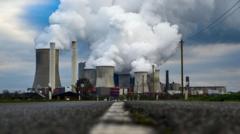
Germany is reconsidering its long-established commitment to phase out coal-powered electricity as escalating natural gas prices force policymakers to reevaluate their energy portfolio. The European nation, which has invested heavily in renewable energy infrastructure and pledged to abandon fossil fuels, now faces mounting pressure to balance environmental objectives with immediate economic realities.
The resurgence of interest in coal-powered electricity reflects a dramatic shift in European energy dynamics. As natural gas costs have skyrocketed, traditional power plants fueled by coal have become an increasingly attractive option for maintaining energy security and managing production expenses. This development represents a significant deviation from Germany's previously unwavering commitment to transition away from carbon-intensive fuels.
The Impact of Rising Natural Gas Costs
The unprecedented surge in natural gas prices has fundamentally altered Germany's energy calculation. Natural gas, which was positioned as a transitional fuel supporting the shift toward renewables, has become prohibitively expensive. This cost explosion stems from global supply disruptions, heightened demand across Europe, and geopolitical tensions affecting energy markets.
For German utilities and industrial consumers, the financial burden of relying solely on expensive natural gas has become unsustainable. Coal-powered electricity generation, despite its environmental drawbacks, offers immediate cost relief and energy stability. The economic pressure has created a compelling argument for reconsidering the accelerated coal phase-out timeline that Germany had established.
Balancing Energy Security and Environmental Goals
This dilemma places German policymakers in an unprecedented position, requiring them to weigh short-term energy security against long-term climate commitments. The government must address the legitimate concerns of both energy companies seeking economic viability and environmental advocates demanding adherence to climate targets.
The coal-powered electricity sector, which has faced systematic phase-out plans, suddenly appears relevant in addressing immediate energy shortages. Reactivating dormant coal plants or extending the operational lifespan of existing facilities could provide crucial power generation capacity during this transitional period. However, such measures would directly contradict Germany's ambitious climate neutrality goals and international environmental commitments.
Germany's Previous Commitment to Coal Phase-Out
Germany had established a comprehensive strategy to eliminate coal-powered electricity generation by 2038, representing one of Europe's most aggressive timelines for coal abandonment. This commitment aligned with the country's broader Energiewende (energy transition) framework, which emphasized renewable energy expansion and emissions reduction.
The coal phase-out plan required substantial investments in wind, solar, and other renewable technologies. Wind energy, particularly offshore wind farms, was positioned as Germany's primary alternative to coal-powered electricity. These infrastructure investments reflected a genuine commitment to transforming Germany's energy landscape and meeting European Union climate directives.
Renewable Energy Development Amid Energy Crisis
Despite the renewed interest in coal-powered electricity, Germany continues advancing its renewable energy capacity. Solar installations and wind farms continue expanding across the country, supported by both government incentives and private investment. However, the intermittent nature of renewable sources means that traditional baseload power generation remains necessary for maintaining grid stability.
The energy crisis has exposed vulnerabilities in Germany's transition strategy. The rapid phase-out of nuclear power and the accelerated coal phase-out left the country increasingly dependent on natural gas imports. This dependency, combined with current market instability, has created an urgent need for alternative baseload power sources, making coal-powered electricity a potential interim solution.
Future Trajectory for German Energy Policy
Germany's reconsideration of coal-powered electricity does not necessarily signal an abandonment of climate goals, but rather a pragmatic adjustment to current market realities. Policymakers may opt for a more flexible timeline that extends some coal plant operations while maintaining momentum toward renewable energy expansion and coal-powered electricity elimination.
The situation underscores the complex interplay between economic necessity and environmental responsibility. As natural gas prices potentially stabilize and renewable energy capacity increases, the urgency of coal-powered electricity may diminish. Germany's energy policy will likely evolve to reflect this transitional period, balancing immediate needs with long-term sustainability objectives.
The broader implications of Germany's energy crisis extend beyond its borders, affecting European energy markets and climate policy discussions. Other nations facing similar pressures may draw lessons from how Germany navigates this critical juncture between maintaining coal-powered electricity capacity and accelerating the transition to truly sustainable energy sources.