Summer Office Fashion: Can Your Boss Dictate Your Wardrobe Choices?
Discover the legal boundaries of summer workplace dress codes. Learn what employers can require and how to style professionally during hot weather.
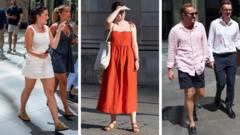
Understanding Summer Workplace Dress Code Policies
The question of summer workplace dress codes has become increasingly relevant as temperatures rise and employees seek comfort during the hottest months of the year. A summer workplace dress code presents a unique challenge: balancing professional expectations with the practical need to stay cool in warm weather. While many employers maintain strict guidelines year-round, the intersection of fashion, comfort, and professionalism during summer months requires careful navigation.
When temperatures soar, the desire to wear shorts, strappy tops, and sandals becomes stronger than ever. However, understanding what your boss can and cannot legally require is essential knowledge for any employee seeking to maintain both comfort and professional standing.
Legal Framework of Employer Dress Code Authority
Employers do have the legal right to establish and enforce a summer workplace dress code within certain boundaries. These regulations typically fall under reasonable business expectations and workplace standards. However, this authority is not absolute. Discrimination laws, religious accommodations, and disability considerations all place limitations on what employers can legally mandate regarding employee appearance.
The distinction between dress codes and uniforms is important. A dress code provides guidelines about appropriate attire while allowing employee choice within parameters. A uniform, conversely, specifies exact clothing requirements. Understanding this difference helps employees recognize their rights and employers understand their responsibilities.
Industry Standards and Professional Expectations
Different industries maintain varying standards for summer workplace dress codes. Financial institutions, law firms, and corporate offices typically enforce stricter guidelines than creative agencies, tech companies, or casual retail environments. Client-facing roles often require more formal presentation than back-office positions, regardless of the season.
Professional settings such as banking and law traditionally prohibit shorts, sleeveless garments, and casual footwear like sandals even during summer months. Meanwhile, creative industries and technology companies have increasingly relaxed their summer workplace dress code policies, recognizing that comfort can enhance productivity and employee satisfaction.
What Employers Can Legally Require
Your boss can establish reasonable expectations regarding professional appearance. This includes requiring business casual or business formal attire depending on industry standards and job responsibilities. Employers can restrict revealing clothing, enforce grooming standards, and require covered footwear in safety-sensitive positions.
However, your summer workplace dress code must comply with anti-discrimination laws. Employers cannot apply standards differently based on gender, race, religion, or other protected characteristics. Additionally, reasonable religious accommodations must be made, such as allowing head coverings or modest clothing for employees whose faith requires it.
Employee Rights and Protections
Employees retain certain rights even within a summer workplace dress code framework. You cannot be required to wear clothing that violates your religious beliefs. Medical conditions and disabilities may warrant accommodations under the Americans with Disabilities Act. Some states and cities have enacted specific protections regarding transgender and gender-nonconforming employees' clothing choices.
Pregnancy accommodations also fall under consideration. If your summer workplace dress code creates hardship during pregnancy, your employer may be obligated to make reasonable adjustments to accommodate your condition.
Practical Strategies for Hot Weather Professionalism
Styling for success during summer doesn't require sacrificing comfort entirely. Lightweight fabrics like linen, cotton blends, and breathable materials maintain professional appearance while regulating body temperature. Tailored shorts in neutral colors, if permitted, can meet professional standards. Sleeveless dresses and tops become acceptable when paired with structured jackets or cardigans.
Closed-toe shoes need not be heavy or warm. Breathable leather loafers, professional sneakers (where appropriate), and lightweight dress shoes accommodate both style and comfort considerations within a reasonable summer workplace dress code.
Communicating with Management About Summer Dress Codes
If your current summer workplace dress code feels unreasonable, professional communication with management may yield results. Document temperature conditions, research industry standards for similar roles, and approach the conversation with proposed solutions rather than complaints. Many forward-thinking companies have successfully implemented seasonal dress code modifications that satisfy both employee comfort needs and professional requirements.
Frame discussions around productivity and employee wellness. Research demonstrates that comfortable employees often perform better, reducing mistakes and increasing engagement.
Conclusion: Navigating Your Summer Workplace Dress Code
Your boss does have authority to establish a summer workplace dress code, but this authority has legal limits. Understanding these boundaries empowers you to make informed decisions about your wardrobe while maintaining professional standing. Whether you're debating shorts, strappy tops, or sandals, knowledge of your rights and employer responsibilities creates productive dialogue. Balance personal comfort with professional expectations, knowing that many employers increasingly recognize summer dress code flexibility as beneficial for workplace culture and employee satisfaction.