Dover Vigilantes Warn of Return Without Police Action
Black-clad activists linked to far-right groups threaten renewed Dover blockades unless law enforcement intensifies prevention efforts against immigration prote...
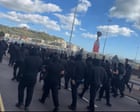
Masked Activists Threaten Fresh Disruptions at Dover Port
The emergence of Dover vigilantes dressed in dark clothing and face coverings has sparked serious concerns among political leaders and advocacy organizations about potential recurrence of coordinated road blockades. Officials now face mounting pressure to implement stronger preventive measures to address the activism that has disrupted traffic and commerce at one of Britain's most critical transit points.
Campaign groups and elected representatives have publicly warned that without substantial improvements in policing strategy, the Dover vigilantes may mobilize again for similar demonstrations. This escalating tension highlights growing friction between enforcement authorities and organized protest movements that continue to gain traction across the United Kingdom.
Far-Right Connections and Organizational Structure
The group responsible for orchestrating the blockade has identified itself as Patriot Platform, an organization explicitly focused on immigration restriction. The group presents itself through nationalist rhetoric, claiming to embody a "fierce love for our homeland" while advocating for stronger border controls.
Hope Not Hate, a prominent counter-extremism organization, has identified concerning links between Patriot Platform and broader far-right networks. According to the organization's founder, the Dover vigilantes' ability to mobilize demonstrators at significant scale reflects what he characterizes as persistent police inaction and insufficient counter-measures from law enforcement agencies.
Political Response and Enforcement Challenges
Westminster officials have condemned the masked demonstrations, with some ministers publicly criticizing participants for what they describe as theatrical costume displays rather than genuine civic engagement. The controversy has intensified debate about how authorities should balance free speech protections against public order concerns.
Police forces in Kent have faced criticism from multiple quarters for their handling of the initial Dover vigilantes blockade and their preparedness for potential future incidents. The scale of the demonstration, involving coordinated road closures at a major port, exposed gaps in rapid response capabilities that officials say must be addressed.
Immigration Activism and Border Politics
The Dover vigilantes' emergence reflects heightened tensions surrounding immigration policy and border security across the United Kingdom. Anti-immigration activism has become increasingly organized, with groups like Patriot Platform leveraging social media and direct action tactics to amplify their message.
The blockade at Dover, situated at the gateway to continental Europe, carried particular symbolic significance for activists concerned about migration patterns. The port's economic importance meant the disruption attracted immediate national attention and concern from business leaders and transportation operators.
Organizational Capacity and Future Risks
Analysts studying the Dover vigilantes phenomenon note that the group's demonstrated ability to mobilize participants rapidly suggests potential for additional demonstrations if conditions remain favorable. The coordination required to execute road blockages at a major commercial port indicates organizational sophistication that authorities cannot discount.
Without concrete police interventions and preventive strategies, campaigners suggest the Dover vigilantes possess both motivation and capability to repeat their actions. The implications for public order and economic disruption remain significant given the port's role in national supply chains and commerce with Europe.
Counter-Extremism and Community Safety
Hope Not Hate and similar organizations are intensifying their own monitoring of far-right linked groups, including Patriot Platform, to track organizational developments and public activities. These counter-extremism efforts aim to provide law enforcement with actionable intelligence and community awareness about emerging activism.
The challenge facing Dover and other communities involves developing comprehensive strategies that address underlying grievances while maintaining public safety and preventing organized disruption. Officials acknowledge that purely enforcement-based responses may prove insufficient without parallel efforts to address polarization and build community cohesion.
Looking Forward: Prevention and Preparedness
Moving ahead, law enforcement agencies face pressure to deploy enhanced surveillance and intelligence capabilities to prevent future Dover vigilantes mobilizations. Strategic planning must account for the tactical sophistication demonstrated during the initial blockade while respecting civil liberties and protest rights.
The situation underscores broader challenges facing British law enforcement in managing far-right activism that exploits immigration anxieties. Addressing these issues effectively requires sustained commitment to intelligence gathering, community engagement, and decisive action against those who seek to disrupt commerce and society through organized activism.