Royal Navy Faces Critical Resource Gap Against Russian Arctic Threat
MPs warn Royal Navy lacks submarines and warships to counter Russian threats in the Arctic. Defence committee demands dramatic progress by decade's end.
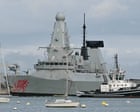
Defence Committee Raises Alarms Over Royal Navy Arctic Capabilities
Members of Parliament serving on the defence select committee have issued a stark warning that Royal Navy Arctic defense capabilities face serious constraints due to insufficient submarine and warship resources. The parliamentary body contends that Britain's capacity to effectively deter Russian military actions in the high north remains compromised by persistent logistical and operational limitations that demand urgent remediation.
The committee's assessment highlights structural weaknesses in the nation's maritime defence posture, pointing to several concrete examples of how current Royal Navy Arctic defense readiness falls short of strategic requirements. These vulnerabilities, if left unaddressed, could undermine Britain's ability to maintain a credible deterrent against potential Russian aggression throughout the Arctic region and beyond UK territorial waters.
Specific Operational Challenges Identified
The defence select committee cited multiple operational incidents and ongoing constraints as evidence supporting their concerns about naval preparedness. The protracted deployment schedule of HMS Dragon to Cyprus during spring illustrated systemic delays in vessel availability and readiness for rapid response operations. Such scheduling difficulties suggest deeper problems within the navy's operational framework and resource allocation mechanisms.
Additionally, the committee documented a concerning decline in the number of operational frigates available for deployment. This reduction in frigate availability represents a measurable decrease in the Royal Navy's capacity to maintain sustained maritime presence across multiple strategic regions simultaneously. The erosion of frigate numbers compounds existing challenges and limits flexibility in responding to emerging threats.
Submarine Fleet Operational Status
Perhaps most troubling for defence strategists, all five Astute-class attack submarines underwent dock maintenance simultaneously during the summer months. This complete unavailability of the attack submarine fleet, even temporarily, exposed critical gaps in operational continuity and surge capacity. The Astute-class submarines form the backbone of Britain's submarine deterrent capabilities, and their simultaneous absence from active service highlighted concerning maintenance scheduling and resource constraints.
The simultaneous docking of the entire attack submarine fleet demonstrates logistical pressures within the Royal Navy's maintenance and support infrastructure. When all five vessels require dock time concurrently, the navy faces periods of zero submarine availability for operations, a situation that defence planners consider strategically vulnerable given current Arctic geopolitical tensions and Russian military activity in northern waters.
Strategic Implications for Arctic Security
The high north represents an increasingly contested region where Russian military presence has expanded significantly in recent years. Climate change and melting Arctic ice have opened new shipping routes and resource extraction opportunities, intensifying strategic competition in polar regions. Britain's ability to project power and maintain deterrent capabilities in these waters depends fundamentally on adequate submarine and surface fleet resources.
The defence select committee warns that without substantial improvements to Royal Navy Arctic defense capabilities, the United Kingdom risks losing credibility as a significant Arctic security actor. Regional allies including NATO partners in northern Europe depend on British naval contributions to collective defence arrangements and strategic reassurance against Russian expansion.
Timeline for Necessary Improvements
MPs emphasize that dramatic progress toward resolving these resource deficiencies must occur by the end of the decade. This timeline reflects the committee's assessment that current trajectory leaves insufficient time to address accumulated shortfalls and implement modernization initiatives. The decade-long horizon provides both a deadline and a roadmap for government action on naval procurement, maintenance infrastructure, and personnel training programs.
The committee's specified timeframe underscores urgency without suggesting that immediate crisis conditions exist, allowing for methodical planning and implementation of solutions. However, it also implies that the current pace of improvement falls dangerously short of what defence strategy demands.
Broader Defence Policy Implications
This parliamentary assessment extends beyond narrow military considerations to encompass broader questions about Britain's strategic posture and commitments to NATO allies. The adequacy of Royal Navy Arctic defense capabilities directly affects British credibility within alliance structures and the nation's ability to influence security policy across Northern Europe and the Atlantic realm.
The committee's findings suggest that current defence spending and resource allocation decisions may not adequately reflect the scale of challenges posed by Russian military modernization and expanded Arctic operations. Addressing these gaps requires comprehensive policy reviews, sustained budgetary commitments, and potentially revised strategic priorities within the defence establishment.
Looking Forward
The defence select committee's warning represents an official parliamentary assessment of critical vulnerabilities in British naval capabilities for Arctic operations. Whether the government accepts these conclusions and implements the dramatic improvements called for will determine whether Britain maintains effective deterrent capabilities against Russian aggression in polar regions throughout the coming decade.