
US Military Strikes Iran Following Tanker Incidents in Strait of Hormuz
The United States launches military strikes on Iran after tanker attacks in the Strait of Hormuz. Iran warns of decisive retaliatory measures in response to US...
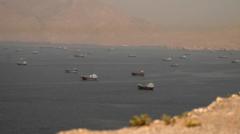
United States Launches Military Operations Against Iran
The United States has executed a series of military strikes on Iran following the recent tanker incidents in the Strait of Hormuz, marking a significant escalation in regional tensions. These US strikes on Iran represent a direct response to the attacks on commercial vessels that transit through one of the world's most critical shipping passages.
Strategic Objectives Behind the Military Action
According to official statements from Washington, the military operations are designed to impose what officials describe as "heavy costs" on Iranian targets. The strikes target facilities believed to be connected to the maritime attacks that disrupted global energy supplies and raised international concerns about freedom of navigation through the vital Strait of Hormuz corridor.
The decision to launch these operations reflects the growing frustration within the Trump administration over Iran's regional activities and its alleged involvement in the sabotage of commercial shipping vessels. Intelligence assessments suggest a coordinated effort to disrupt international maritime commerce in the strategic waterway through which approximately one-third of the world's traded oil passes daily.
Iran's Warning of Retaliation and Regional Consequences
In response to the American military operations, Iranian officials have issued stark warnings regarding their intentions. Tehran has declared it will "take decisive measures" against the United States, signaling that the confrontation is far from over and that further escalation appears likely in the coming weeks.
Iranian military and political leadership has consistently maintained that any attack on their nation will face a proportional response. These warnings underscore the volatile nature of the current situation and the risk of a potential military spiral in the Persian Gulf region.
The Tanker Attacks and International Concerns
The incidents involving commercial tankers in the Strait of Hormuz have raised serious questions about maritime security and the vulnerability of global trade routes. The attacks have prompted multiple nations to increase naval presence in the region and strengthen security protocols for merchant vessels operating in the area.
International shipping companies have expressed grave concerns about the safety of their vessels, with some rerouting shipments through alternative, longer maritime passages to avoid the contested waters. Insurance costs for ships transiting the Strait of Hormuz have increased substantially due to the heightened security risks.
Global Implications and International Response
The military strikes conducted by the United States have drawn attention from the international community. Western allies have generally expressed support for the US position, while other nations have called for de-escalation and renewed diplomatic efforts to resolve the underlying disputes.
The situation remains fluid, with military vessels from multiple nations monitoring the situation closely. Energy markets have responded to the uncertainty, with oil prices fluctuating in response to reports of continued tensions and the possibility of further military action in the region.
Looking Forward: The Path to Resolution
As the United States and Iran engage in this confrontational posture, diplomatic channels remain open but strained. The international community watches closely as events unfold, hoping that both parties will ultimately choose dialogue over further military escalation in this critical region of global strategic importance.


