
UK Nationalization of British Steel: China Responds to Historic Industrial Move
China condemns British Steel nationalisation as UK secures vital industrial capability. Explore the government's decision to take the company into public owners...
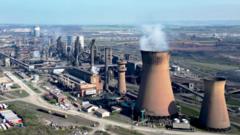
China Criticizes UK's British Steel Nationalisation Decision
The British Steel nationalisation has become the subject of sharp international criticism, with China expressing strong opposition to the United Kingdom government's decision to bring the steelmaker into state ownership. This significant industrial development marks a pivotal moment in Britain's approach to protecting critical manufacturing sectors from what officials describe as strategic vulnerabilities.
Government Justifies Strategic Takeover
UK authorities announced that the British Steel nationalisation initiative aims to safeguard what government officials characterize as "a vital national capability" essential to Britain's long-term economic security and industrial independence. The intervention reflects growing concerns about the future of domestic steel production and the nation's ability to maintain sovereign control over critical infrastructure industries.
Strategic Importance of Steel Production
Steel manufacturing represents far more than a traditional industrial sector in modern economies. The British Steel nationalisation decision underscores how governments worldwide increasingly view domestic steel capacity as strategically essential. From defense applications to infrastructure development, steel remains fundamental to national security considerations and economic resilience.
Why Governments Protect Steel Industries
The rationale behind the British Steel nationalisation extends beyond simple economic protectionism. National governments recognize that dependence on foreign suppliers for critical materials creates vulnerabilities. By securing domestic production capabilities, Britain aims to ensure supply chain independence and maintain technological expertise within national borders.
International Dimensions of the Controversy
China's response to the British Steel nationalisation highlights the interconnected nature of modern global trade. Chinese interests have maintained significant involvement in various Western industrial sectors, and the UK's decision to nationalize a major steel producer signals a shift toward more restrictive policies regarding foreign ownership of strategic assets.
The Broader Context of Industrial Policy
The British Steel nationalisation decision reflects a worldwide trend of governments reasserting control over industries deemed essential to national interests. From semiconductors to rare earth minerals, nations increasingly question whether allowing foreign investment in critical sectors serves national security interests. This policy realignment challenges decades of open-market ideology that characterized post-Cold War international commerce.
Implications for Foreign Investment
The British Steel nationalisation action sends clear signals about the UK government's willingness to intervene directly in private markets to protect strategic industries. Other nations and international investors are closely monitoring how this precedent develops, as it may influence investment decisions and bilateral trade relationships. Companies considering British ventures in sensitive sectors may now factor in increased government oversight and potential restrictions on foreign ownership stakes.
Steel Industry Challenges in Britain
The British Steel nationalisation addresses long-standing challenges facing the UK's steel sector. Rising energy costs, competition from overseas producers, and environmental regulations have pressured traditional steelmakers. By assuming direct control, the government positions itself to implement support measures, upgrade facilities, and ensure the industry's survival during the transition toward sustainable manufacturing practices.
Economic and Employment Considerations
Beyond strategic calculations, the British Steel nationalisation decision carries significant implications for employment and regional economies. Steel production remains concentrated in particular regions, and the loss of the industry would devastate local communities. Government ownership creates opportunities to maintain jobs while restructuring operations for long-term viability and competitiveness.
Global Steel Market Dynamics
The British Steel nationalisation occurs within a complex global marketplace where tariffs, subsidies, and state intervention have become commonplace. Major steel-producing nations including China, India, and Russia maintain various forms of government involvement in their industries. Britain's move aligns it more closely with international practice while potentially escalating trade tensions with existing suppliers and competitors.
Future Outlook and Consequences
The British Steel nationalisation decision will likely shape industrial policy discussions across Europe and beyond. Questions surrounding the government's approach to managing the newly public company, investment requirements, and performance expectations remain areas of significant concern. Success or failure of this intervention may influence whether other nations pursue similar strategies in their own critical industries.
As the British Steel nationalisation unfolds, stakeholders from workers to international investors face uncertainties about the sector's direction. The coming months and years will reveal whether state ownership successfully revitalizes the industry or creates new complications in Britain's industrial landscape.


