
Trump Requests FIFA Review of Balogun's World Cup Suspension
Donald Trump confirms he requested FIFA to review Folarin Balogun's one-match suspension ahead of the US striker's World Cup participation.
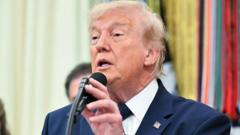
Presidential Intervention in International Football Dispute
In a significant development in international sports governance, President Donald Trump has publicly confirmed that he personally requested FIFA to review the one-match suspension imposed on United States striker Folarin Balogun. This FIFA review of Balogun's suspension marks an unusual intersection between the highest levels of political authority and global football administration.
The confirmation came as unexpected news in sports circles, with Trump indicating that his administration took direct action to address what officials considered an unjust sporting penalty. The striker's suspension, which threatened to impact his availability during crucial World Cup fixtures, prompted the presidential intervention.
Understanding Balogun's Suspension
Folarin Balogun, a prominent forward for the United States national team, received the disciplinary action from FIFA's regulatory bodies. The suspension was set to sideline the player for one match during the international tournament, creating concerns about team composition and tactical options for the American squad.
The exact circumstances leading to the ban involved standard FIFA disciplinary procedures, though the severity of the punishment became the focal point of diplomatic discussions. With Balogun representing one of the team's key offensive weapons, the suspension's implications extended beyond individual performance metrics.
The Presidential Appeal Process
Trump's decision to escalate the matter to the presidential level demonstrated the significant stakes involved in international sports competitions. The FIFA review that Trump requested represents a formal appeal mechanism within FIFA's established governance framework, though presidential involvement in such matters remains extraordinarily rare.
This intervention highlights the growing intersection between national governments and international sporting bodies. The president's office maintained that the review request aimed to ensure fairness in applying FIFA's regulations and to allow qualified players to participate in world championship competitions.
FIFA's Response and Protocol
FIFA's authority to conduct reviews of disciplinary decisions is well-established within the organization's bylaws and operational procedures. When formal review requests are submitted through appropriate diplomatic channels, FIFA's committees evaluate the original decision's legal and factual basis.
The organization's commitment to consistent enforcement of its regulations must be balanced against considerations of procedural fairness and the interests of member associations. The FIFA review process typically involves examination of match reports, video evidence, and applicable regulations before determining whether sanctions should be upheld, modified, or overturned.
Implications for International Competition
The situation surrounding Balogun's suspension carries broader implications for how international football governance handles disciplinary matters. Player availability directly influences tournament dynamics, tactical preparations, and competitive balance between nations.
For the United States national team, Balogun's potential participation affects strategic planning and offensive capabilities. The player's technical skills and experience contribute significantly to team performance in high-stakes international matches. Any resolution affecting his availability carries consequences for tournament outcomes and team success.
Political Involvement in Sports
The unprecedented nature of presidential intervention in FIFA disciplinary matters sparked discussions about appropriate boundaries between political and sporting authority. While governments hold legitimate interests in international sports policies, direct involvement in specific disciplinary decisions represents an exceptional circumstance.
Trump's confirmation that he requested the FIFA review suggests that his administration viewed the matter as sufficiently important to warrant direct presidential engagement. This approach reflects changing dynamics in how national interests intersect with international sports governance structures.
Looking Forward
The ultimate resolution of this FIFA review case will establish precedent for future situations involving diplomatic intervention in sports discipline. As international football continues to grow in political and economic importance, questions about governance boundaries and appropriate channels for addressing perceived injustices will remain relevant.
The outcome of the FIFA review requested by Trump will determine whether Balogun participates in upcoming World Cup matches and will provide insights into FIFA's responsiveness to diplomatic pressure from major member nations.


