
Trump Abandons 20% Strait Tariff Plan Amid US Naval Blockade Campaign
Trump reverses 24-hour tariff proposal on Hormuz cargo vessels as the United States intensifies its naval blockade strategy against Iranian ports in the Persian...
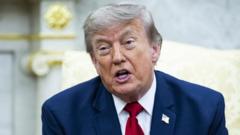
Trump Reverses Hormuz Strait Tariff Proposal
The Trump administration has withdrawn its controversial plan to impose a Hormuz strait tariff on commercial vessels transiting one of the world's most critical shipping corridors. This announcement represents a dramatic reversal of a declaration made less than 24 hours prior, catching international markets and maritime stakeholders by surprise regarding the administration's evolving stance on Persian Gulf security measures.
The sudden abandonment of the fee structure reflects mounting concerns about the economic ramifications such tariffs would impose on global trade. The Hormuz strait tariff proposal, which would have charged cargo operators 20% of their shipment value, generated immediate backlash from commercial shipping companies and international trading partners who depend on unobstructed passage through this vital waterway.
Context of US Naval Operations
While the tariff initiative has been scrapped, the Trump administration continues to maintain an aggressive military posture throughout the region. The United States has sustained its comprehensive naval blockade targeting Iranian ports, representing a significant escalation in America's broader confrontational approach toward Tehran's maritime commerce and economic activities.
The Hormuz strait tariff abandonment does not signal a weakening of overall American resolve in the Persian Gulf. Instead, policymakers apparently concluded that direct military blockade strategies would prove more effective and politically palatable than implementing controversial toll structures on international shipping traffic.
Strategic Implications for Regional Stability
The decision to forgo the tariff scheme while maintaining naval blockade operations reflects a nuanced calculation within the Trump administration. Officials evidently determined that commercial fee mechanisms would generate excessive diplomatic friction and potential legal challenges under international maritime law, whereas military presence could achieve similar strategic objectives with fewer procedural complications.
This tactical shift demonstrates the administration's prioritization of coercive military measures over economic fee structures. The continued Hormuz strait tariff rejection, combined with sustained blockade operations, creates a complex situation for international commerce and regional actors attempting to navigate American foreign policy objectives.
Global Shipping and Trade Reactions
Maritime shipping operators have expressed cautious relief at the Hormuz strait tariff cancellation, though they remain anxious about unpredictable policy reversals and military blockade operations that continue disrupting normal transit patterns. International insurance companies, fuel suppliers, and logistics firms have already absorbed considerable costs related to uncertainty and operational complications stemming from heightened tensions in the waterway.
The proposed 20% fee structure would have created substantial economic barriers for already-strained shipping companies managing elevated insurance premiums and extended transit delays. However, the persistence of naval blockade activities continues generating operational challenges, security concerns, and commercial disruptions that effectively constrain maritime activity regardless of toll elimination.
American Policy Direction Going Forward
The reversal of the Hormuz strait tariff initiative suggests the Trump administration may be recalibrating its approach toward Iran sanctions while maintaining the fundamental objective of constraining Iranian economic capacity and regional influence. Military blockade operations represent the administration's preferred mechanism for achieving these strategic goals without the additional complexity of implementing controversial tariff regimes.
International observers continue monitoring whether additional policy adjustments may emerge as American officials balance competing objectives of economic pressure, military deterrence, and diplomatic considerations. The decision to abandon toll collection mechanisms while preserving naval blockade capabilities indicates administration confidence that direct military measures will accomplish desired outcomes more efficiently than commercial tariff schemes.
This strategic positioning reflects broader patterns in the Trump administration's approach to Iran policy, emphasizing maximum pressure strategies implemented through military and sanctions mechanisms rather than novel commercial structures. The sustained blockade of Iranian ports continues exerting significant economic pressure on Tehran while the elimination of the Hormuz strait tariff removes one source of international commercial resistance to American policy objectives in the Persian Gulf region.


