
Severe Thunderstorms Disrupt 900+ Flights at UK's Major Airports
Over 900 flights delayed at Heathrow and Gatwick due to severe thunderstorms affecting southern UK. Check latest travel disruptions here.
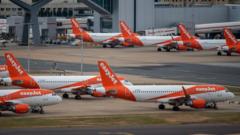
Thunderstorms Delay Flights Across Major UK Hubs
Severe thunderstorms have caused significant operational challenges at Britain's two largest aviation hubs, with thunderstorms delay flights UK reports indicating more than 900 aircraft affected by adverse meteorological conditions. Both Heathrow and Gatwick airports experienced substantial schedule disruptions as weather systems moved across the southern regions, forcing airlines to implement protective measures and adjust flight operations.
Scale of Disruptions at Heathrow and Gatwick
The thunderstorms delay flights scenario unfolded across morning and afternoon operations, with Heathrow and Gatwick bearing the brunt of the atmospheric disturbance. Passengers faced extended waiting periods as airlines worked to accommodate delayed services and manage the cascading effect of weather-related groundings. The disruptions extended beyond simple delays, affecting ground operations, aircraft positioning, and crew scheduling across multiple flight corridors.
Impact on Passenger Experience
Travelers at both airports encountered significant inconveniences as flight status boards updated constantly throughout the day. Many passengers found themselves managing unexpected delays spanning several hours, while others faced flight cancellations necessitating rebooking on alternative services. The airports' terminal facilities were strained as frustrated travelers sought information and assistance from airline representatives.
Weather Conditions Triggering Airport Delays
Meteorologists attributed the widespread disruptions to vigorous thunderstorm systems developing south of the UK, creating hazardous conditions for aircraft operations. The storms produced intense rainfall, lightning activity, and gusty wind conditions that exceeded operational safety thresholds for departures and landings. Visibility restrictions further complicated air traffic control decisions, necessitating increased spacing between aircraft movements and reduced runway capacity.
Safety-First Operational Response
Aviation authorities implemented standard severe weather protocols prioritizing passenger and crew safety. Air traffic controllers coordinated with airline operations centers to sequence traffic efficiently while maintaining mandatory safety separation standards. The decision to implement protective delays proved prudent, as the meteorological situation remained volatile throughout affected hours.
Sector-Wide Implications
The weather event highlighted the vulnerability of concentrated aviation infrastructure to sudden atmospheric changes. Network effects rippled through connecting services, affecting flights beyond the immediate impact zones. Airlines deployed contingency measures including crew repositioning and equipment reallocation to manage downstream consequences.
Recovery and Operational Restoration
As atmospheric conditions gradually improved, airport operations progressively returned to normal scheduling patterns. Ground crews worked systematically to process accumulated aircraft movements and clear the substantial backlog. Airlines coordinated rebooking efforts for displaced passengers and monitored weather forecasts for additional system development.
Travel Recommendations and Future Considerations
Travelers with flights through Heathrow and Gatwick during similar weather events face unpredictable schedules and potential significant delays. Airlines recommend checking real-time flight status information and allowing extra time for airport arrival procedures. Understanding thunderstorm delay risks enables passengers to make informed decisions about travel timing and contingency planning.
The incident underscores the operational complexity of managing major aviation nodes during adverse weather. While modern forecasting and air traffic management systems provide tools for mitigation, severe thunderstorms remain powerful disruptive forces in the aviation industry. Both airports maintain robust safety protocols ensuring that passenger protection supersedes schedule adherence when meteorological threats emerge.


