Sadiq Khan Overrides Council to Expand Outdoor Dining in Soho
London Mayor Sadiq Khan plans to override local council opposition to outdoor dining in Soho through new pedestrianisation powers launching summer 2027.
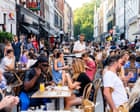
Mayor's New Powers Enable Soho Outdoor Dining Expansion
Sadiq Khan, the Mayor of London, is set to implement a transformative policy that will bring outdoor dining to Soho's streets beginning in 2027, despite persistent resistance from Westminster City Council. The initiative represents a significant shift in the capital's approach to urban hospitality and public space management, leveraging newly granted mayoral authority to advance the outdoor dining agenda across London's most vibrant entertainment district.
The introduction of seasonal pedestrianisation measures throughout the capital this summer marks a turning point in how the city manages its commercial and recreational spaces. Outdoor dining in Soho has long been a contentious issue locally, with the council's hesitation to participate in the scheme providing Khan with the justification to exercise his enhanced powers. This development signals the mayor's determination to modernize London's hospitality sector regardless of local objections.
The Westminster Council Opposition and Its Implications
Westminster City Council's failure to apply for the seasonal pedestrianisation scheme has created an opening for Khan to circumvent their traditional gatekeeping role. The council's reluctance reflects deeper concerns about traffic management, noise levels, and the character of Soho's streets that have fueled debate among residents and business owners for years. However, Khan's decision to override these reservations demonstrates the shifting balance of power between municipal and mayoral authorities.
The outdoor dining expansion represents more than a simple zoning adjustment. It reflects contemporary urban planning philosophy that prioritizes walkable, vibrant public spaces and supports the hospitality industry's recovery and growth. Restaurants in the entertainment district have advocated strongly for outdoor seating opportunities, arguing that such facilities enhance customer experience and increase revenue potential during peak seasons.
Seasonal Pedestrianisation: A Citywide Initiative
The broader seasonal pedestrianisation scheme being rolled out across London this summer provides the framework for Khan's Soho intervention. Rather than imposing permanent street closures, the initiative allows for temporary restrictions during warmer months when outdoor activities generate maximum demand and benefit. This flexible approach offers a practical solution to London's perennial challenge of accommodating both vehicular traffic and public gathering spaces.
The scheme's implementation across multiple districts demonstrates its potential scalability and effectiveness. By creating dedicated pedestrian zones during high-season months, the capital can support restaurants and entertainment venues while simultaneously improving air quality and public safety. Soho's inclusion, once formalized, would align the historic neighborhood with this progressive urban strategy.
Timeline and Future Implementation
The outdoor dining initiative in Soho will commence in 2027, providing restaurants and local businesses with advance notice to prepare infrastructure modifications and staffing adjustments. This timeline allows property owners to design suitable seating arrangements and ensures compliance with updated regulations governing outdoor service areas. The phased approach reflects careful consideration of logistical challenges inherent in such a significant urban transformation.
Implementation in 2027 also coincides with broader London development projects, potentially creating synergies that enhance the overall quality of public spaces. The outdoor dining expansion in Soho will likely inspire similar initiatives in other districts, accelerating London's evolution toward more dynamic, hospitality-focused streetscapes.
Broader Implications for London's Urban Landscape
Khan's decision to override Westminster opposition signals a willingness to pursue progressive urban policies despite local resistance. The outdoor dining initiative exemplifies how metropolitan authorities can leverage planning powers to foster economic development and improve quality of life. For restaurant owners and hospitality workers, the scheme offers tangible benefits through extended operating seasons and enhanced customer experiences.
The seasonal approach proves especially valuable for London's climate, where outdoor dining is primarily practical from late spring through early autumn. This limitation makes temporary pedestrianisation particularly well-suited to the capital's environmental conditions, ensuring streets remain accessible to vehicular traffic during winter months while maximizing public space benefits when demand peaks.
London's commitment to outdoor dining reflects global trends favoring pedestrian-friendly urban centers. Cities from Barcelona to New York have successfully integrated permanent or seasonal outdoor seating into their commercial districts, generating economic benefits while creating more inviting public environments. Khan's determination to implement this approach in Soho positions London alongside international leaders in progressive urban design.