
Russian Black Sea grain terminals targeted in major Ukraine port strike
Ukraine launches significant attack on Russian grain export facilities at Black Sea ports, impacting global grain trade. Details on the latest developments.
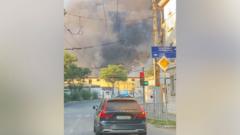
Ukraine Strikes Critical Russian Grain Infrastructure
A significant military operation has targeted key Black Sea grain terminals operated by Russian interests, marking another escalation in the ongoing conflict's impact on global commodity markets. The assault on these crucial Black Sea grain terminals reflects the intensifying struggle for control over maritime trade routes and agricultural distribution networks that supply food to markets worldwide.
Impact on International Grain Supply Chains
The disruption to Black Sea grain terminals extends beyond immediate regional concerns, affecting agricultural export capacity from both warring nations. Grain shipments originating from Russian-controlled territories have encountered substantial obstacles, while Ukrainian exporters face parallel challenges in maintaining their competitive position in international markets. These reciprocal attacks on shipping infrastructure demonstrate how the conflict has evolved into an economic warfare component targeting food security globally.
Broader Consequences for Global Food Markets
The targeting of maritime facilities threatens to further constrain already-strained grain availability. As Russia maintains reduced export capabilities through damaged Black Sea grain terminals, and Ukraine simultaneously faces shipping impediments, world prices for cereals continue experiencing upward pressure. This dual supply constraint creates cascading effects throughout international agricultural commerce, affecting food costs for consumers across multiple continents.
Strategic Importance of Port Infrastructure
Ports and terminal facilities along the Black Sea represent vital economic assets for both nations. The destruction or degradation of these installations serves as a form of leverage in ongoing negotiations while simultaneously damaging each country's revenue-generating capacity. Russian grain export operations have suffered particularly acute losses following recent strikes, forcing Moscow to explore alternative shipping routes through regions beyond Ukraine's military reach.
Escalating Military Operations
Recent weeks have witnessed intensified targeting of logistical nodes supporting either nation's economy. Ukraine has positioned attacks on Russian commercial infrastructure as justifiable responses to Moscow's invasion and destruction of Ukrainian civilian targets. Conversely, Russian military operations continue targeting Ukrainian agricultural and transportation assets, creating a destructive cycle that increasingly weaponizes food production and distribution systems.
Long-term Economic Ramifications
The sustained campaign against grain export facilities threatens long-term agricultural competitiveness for both nations. Infrastructure reconstruction will require substantial investment and time following any eventual ceasefire. Investors in agricultural commodities face heightened uncertainty regarding supply reliability, potentially creating lasting market inefficiencies. The systematic targeting of commercial maritime assets establishes dangerous precedents for future conflicts regarding civilians' access to essential commodities.
International Response and Humanitarian Concerns
Global food security organizations have expressed alarm regarding the deteriorating situation affecting grain availability. International markets continue absorbing supply disruptions, though prolonged attacks on Black Sea grain terminals could precipitate wider economic consequences affecting emerging nations dependent on affordable grain imports. The United Nations and regional authorities have called for protection of civilian food production and export infrastructure, though enforcement mechanisms remain limited.


