
Royal Residence Plans: King Charles to Remain in Clarence House
King Charles and Queen Camilla will stay at Clarence House following palace renovations. Learn about the royal residence decision and upcoming changes at Buckin...
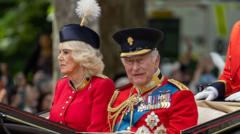
King Charles and Queen Camilla Choose Clarence House as Primary Residence
Following extensive renovation projects at Buckingham Palace, the royal residence will not serve as the primary home for King Charles and Queen Camilla. Instead, the monarchy has confirmed that Clarence House will remain their official residence, marking a significant departure from traditional royal living arrangements.
The decision regarding Clarence House residence reflects a modernization approach within the British Royal Household. Rather than relocating to the iconic London palace after its substantial refurbishment, the King and Queen have opted to maintain their long-established home at Clarence House.
Understanding the Renovation Project at Buckingham Palace
Buckingham Palace has undergone major structural and aesthetic improvements as part of a comprehensive modernization initiative. These renovations address aging infrastructure, enhance energy efficiency, and update various facilities within the historic 775-room palace. The scale of these projects necessitated careful planning regarding the residence arrangements for the reigning monarch.
The palace, which serves as the official London residence and principal workplace of the sovereign, required substantial investment to maintain its condition and functionality for state functions and official ceremonies.
Why Clarence House Remains the Preferred Royal Residence
Clarence House, located adjacent to St. James's Palace in the heart of London's historic royal enclave, has served as the home of senior members of the royal family for decades. The residence offers a more intimate and manageable living space compared to the sprawling Buckingham Palace complex.
King Charles has maintained a connection to Clarence House for many years, and the residence provides the comfort and familiarity preferred by the King and Queen. The decision to continue residing at Clarence House suggests a preference for a more personal and accessible royal home during the working week.
The Future Role of Buckingham Palace
Although King Charles will not use Buckingham Palace as a residence following renovations, the palace will continue to function as the official headquarters of the Royal Household. State functions, official ceremonies, and diplomatic receptions will still take place within its grand halls.
The palace remains symbolically and constitutionally significant as the working office of the monarchy. Its role as a venue for state occasions and formal events ensures that Buckingham Palace continues to hold prominence in royal and British public life.
Historical Context and Royal Residence Evolution
The arrangement with Clarence House residence reflects a broader evolution in how the modern monarchy manages its numerous properties. Previous sovereigns have traditionally occupied Buckingham Palace as their primary London home, but contemporary considerations regarding practicality and efficiency have influenced current decisions.
Queen Elizabeth II also maintained residences beyond Buckingham Palace, including Windsor Castle and Balmoral Castle, demonstrating that the monarchy has long adapted its living arrangements to suit operational requirements and personal preferences.
Ongoing Palace Improvements and Public Access
The renovation efforts at Buckingham Palace represent a significant investment in preserving one of the world's most recognizable royal residences. These improvements will enhance visitor experiences during scheduled public access periods and ensure the palace remains a fitting backdrop for state occasions.
The decision by King Charles regarding Clarence House residence and the operational role of Buckingham Palace exemplifies how the royal household balances tradition with modern practical needs. This arrangement allows the monarchy to maintain its ceremonial and constitutional functions while adapting residential preferences to contemporary royal life.


