
Rotterdam Port Faces Pressure to Accelerate Green Energy Transition
Lawsuit pushes Rotterdam Port, Europe's largest, to cut fossil fuel reliance faster. Discover the environmental demands reshaping port operations and sustainabi...
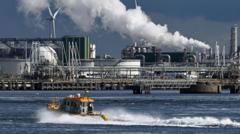
Environmental Lawsuit Targets Rotterdam Port's Green Energy Plans
Europe's most significant maritime gateway is under mounting scrutiny as environmental advocates demand the Rotterdam Port accelerates its shift away from fossil fuel dependence. A legal action has been initiated to compel the facility to adopt faster and more comprehensive measures toward achieving genuine carbon neutrality and reducing its environmental footprint across all operational sectors.
The Rotterdam Port green transition represents a critical moment for one of the world's busiest shipping hubs. Located in the Netherlands, this sprawling complex handles millions of containers annually and serves as a vital connection point for global commerce. The facility's reliance on conventional energy sources has drawn increasing criticism from climate-conscious stakeholders, environmental organizations, and regulatory bodies committed to meeting stringent European Union emissions targets.
The Legal Challenge and Environmental Demands
The lawsuit emphasizes that the Rotterdam Port must implement more aggressive measures to reduce its carbon footprint. Legal representatives argue that current sustainability commitments fall short of what is necessary to address the climate crisis effectively. The action seeks to compel management to establish concrete timelines and measurable milestones for transitioning away from fossil fuel-based operations.
Environmental groups backing this initiative contend that the facility's operations contribute significantly to regional and continental air pollution levels. By maintaining dependency on conventional energy infrastructure, the Rotterdam Port continues to emit substantial quantities of greenhouse gases annually. The litigation represents an attempt to force institutional change where voluntary measures have proven insufficient.
Port Operations and Fossil Fuel Infrastructure
The Rotterdam Port's extensive infrastructure includes refineries, chemical processing facilities, and energy generation plants that collectively depend heavily on fossil fuels. These operations, while economically vital to regional development, generate considerable environmental concerns. The facility's stakeholders must reconcile commercial imperatives with mounting pressure to transition toward cleaner technologies.
Currently, the port supports numerous industries reliant on fossil fuel energy sources, from shipping companies to petrochemical manufacturers. This interconnected ecosystem creates both opportunities and challenges for implementing comprehensive green energy solutions. Upgrading infrastructure to support renewable energy sources requires substantial capital investment, technological innovation, and coordination among multiple operational partners.
Renewable Energy Alternatives and Sustainability Solutions
Several renewable energy technologies present viable pathways for the Rotterdam Port to achieve its environmental objectives. Solar installations, offshore wind farms, and advanced hydrogen fuel systems could significantly reduce fossil fuel dependence across port operations. Progressive European ports have already begun implementing such technologies, demonstrating technical feasibility and economic viability.
The transition toward sustainable shipping operations requires more than energy source substitution. It demands comprehensive infrastructure modernization, workforce retraining programs, and investment in emerging technologies. Battery-electric container handling equipment, LNG-powered vessels, and shore-side power supply systems represent concrete steps that facilities can implement to reduce emissions.
European Union Climate Regulations and Port Compliance
European Union climate directives increasingly mandate that major ports develop and execute detailed decarbonization strategies. These regulatory frameworks establish binding emission reduction targets that facilities must achieve within specified timeframes. Failure to meet such requirements results in financial penalties and potential operational restrictions.
The Rotterdam Port operates within this regulatory environment, facing pressure from multiple directions simultaneously. National governments, EU authorities, environmental organizations, and now the courts are all demanding faster progress toward sustainability goals. This convergence of pressures creates both urgency and opportunity for transformative change.
Port Management Response and Future Direction
Port administrators have acknowledged the necessity for enhanced environmental stewardship but argue that comprehensive transitions require realistic timeframes. They contend that abrupt operational changes risk disrupting global supply chains and harming economic competitiveness. Nevertheless, management has committed to exploring renewable energy integration and updated sustainability roadmaps.
The resolution of this legal challenge will likely establish important precedents for other major European ports facing similar environmental pressures. Whether courts mandate faster timelines or accept graduated transition plans will influence how the entire maritime industry approaches fossil fuel reduction. The outcome carries implications extending far beyond Rotterdam's operations, potentially reshaping port management practices across the European continent and internationally.


