
Romania Halts Nuclear Facility as Danube Water Levels Plummet
Romania shuts down its sole nuclear plant due to critical Danube River water shortage. The Cernavodă facility, producing 20% of national electricity, faces exte...
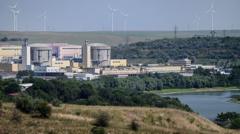
Romania's Nuclear Plant Faces Extended Shutdown
Romania has made the difficult decision to suspend operations at its only nuclear power facility in response to dramatically declining water levels in the Danube River. The Cernavodă Nuclear Power Plant, which accounts for approximately 20% of the country's total electricity generation, will remain offline for an extended period as environmental conditions deteriorate across Eastern Europe.
The Romania nuclear plant shutdown represents a significant challenge for the nation's energy infrastructure. Officials have indicated that the facility is not anticipated to resume operations within the upcoming 10-day period, with uncertainty regarding when normal production capacity can be restored.
Understanding the Danube Water Crisis
The Danube River, one of Europe's most vital waterways, has experienced unprecedented reductions in water volume during recent months. This environmental phenomenon has created serious complications for multiple nations that depend on the river for hydroelectric power generation, cooling systems, and transportation infrastructure.
The Danube River water level crisis stems from an extended period of reduced precipitation and elevated temperatures across the region. Climate patterns have combined to create conditions that water management authorities describe as exceptionally challenging for the summer season.
Impact on Romania's Energy Supply
The temporary closure of the Cernavodă nuclear facility comes at a critical moment for European energy markets. With the facility representing one-fifth of Romania's electrical output, the nation faces potential supply constraints that could require increased reliance on alternative power sources.
Energy analysts suggest that Romania may need to increase imports from neighboring countries or accelerate the use of fossil fuel-based generation facilities to compensate for the lost nuclear output. This situation highlights the interconnected nature of Europe's power grid and the vulnerability of energy systems to environmental fluctuations.
Broader European Energy Challenges
The European energy supply disruption caused by Romania's nuclear shutdown reflects wider concerns affecting the continent. Multiple hydroelectric facilities across the Danube basin are experiencing similar complications, reducing overall electricity generation capacity across the region.
Several other nations bordering the Danube, including Serbia and Hungary, have similarly confronted challenges related to water availability for power generation. These concurrent difficulties underscore the systemic nature of the water shortage affecting Eastern and Central Europe.
Romania's Electricity Production Strategy
Prior to the current situation, Romania electricity production relied heavily on a diversified energy portfolio. Beyond the Cernavodă nuclear facility, the nation operates multiple hydroelectric plants, thermal power stations, and renewable energy installations. However, the simultaneous reduction in both nuclear and hydroelectric capacity creates a genuine supply challenge.
Government officials are monitoring the situation closely and preparing contingency measures to ensure that electricity remains available to consumers and businesses throughout the duration of the nuclear plant's suspension. Energy authorities continue to assess when conditions will normalize sufficiently to permit safe resumption of operations.
Timeline and Future Outlook
The 10-day minimum shutdown period represents the initial projection made by plant management and regulatory authorities. However, restoration of normal operations depends entirely on environmental conditions improving, particularly increased water flow in the Danube River that would restore adequate cooling capacity.
Meteorologists are monitoring weather patterns to determine when precipitation might increase and temperatures might moderate. Until such improvements materialize, the Cernavodă Nuclear Power Plant will remain suspended, contributing to elevated energy prices and potential supply constraints across the region.


