
Oil Tanker Threats in Middle East Reach Peak Since Iran Conflict Began
Oil tanker threats in the Middle East have escalated to unprecedented levels since the Iran conflict started, with recent attacks on shipping routes creating cr...
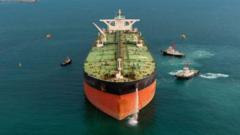
Oil Tanker Threats in Middle East Escalate to Critical Levels
Oil tanker threats in the Middle East have reached their most severe point since the beginning of the Iran conflict, according to maritime security experts and industry analysts. The recent surge in incidents targeting commercial vessels has created an increasingly precarious environment for international shipping operations across one of the world's most strategically important maritime regions.
The escalation of oil tanker threats reflects a broader pattern of destabilization affecting major international trade corridors. Analysts point to multiple factors contributing to the current crisis, including geopolitical tensions, regional power struggles, and the deliberate targeting of commercial infrastructure by non-state actors operating throughout the Persian Gulf and surrounding waters.
Alternative Routes Present Heightened Risks
Shipping companies operating in the region are now forced to navigate an increasingly complex landscape of dangerous alternatives. The original primary shipping routes, which have historically served as the backbone of global oil commerce, are no longer considered safe for all vessels. This situation has prompted maritime operators to explore substitute passages that present their own significant challenges and uncertainties.
The decision to reroute cargo through alternative channels comes at considerable expense and operational complexity. Vessels must travel longer distances, requiring additional fuel consumption and extended transit times. Insurance premiums for ships operating in disputed waters have skyrocketed, reflecting the elevated risk profile that shipowners and operators must now accept when conducting business in this vital region.
Impact on Global Energy Markets
The threat to oil tanker operations carries profound implications for worldwide energy security and economic stability. Given that a substantial portion of global crude oil supplies passes through Middle Eastern waters, any disruption to shipping capacity directly affects fuel prices and energy availability across international markets. Refineries dependent on reliable crude oil deliveries face potential supply chain disruptions that could ripple through industrial sectors worldwide.
Market analysts express concern about the long-term economic consequences of sustained instability. The cost of protecting maritime commerce, compensating for increased insurance expenses, and managing longer shipping routes ultimately transfers to consumers through elevated energy prices. This hidden economic burden extends far beyond the maritime industry itself.
Security Measures and Industry Response
In response to escalating oil tanker threats, maritime security protocols have been substantially strengthened across affected regions. International shipping associations have implemented enhanced surveillance systems, coordinated escort operations, and revised routing procedures to minimize exposure to known danger zones. Naval presence from multiple countries has increased notably to protect critical shipping lanes.
Commercial operators have invested heavily in protective infrastructure, including reinforced bridge structures, restricted access zones, and advanced communication systems enabling real-time threat assessment. These measures, while effective in reducing certain vulnerabilities, add significant operational burdens and costs to shipping companies struggling with already tight profit margins.
Regional Geopolitical Context
Understanding the escalation of oil tanker threats requires examining the broader geopolitical environment in which these attacks occur. The region has experienced intensifying proxy conflicts, competing maritime claims, and ideological disputes between major powers vying for regional influence. These underlying tensions provide the context for maritime targeting and destabilization.
Strategic chokepoints, particularly narrow waterways through which massive volumes of oil must pass, represent critical vulnerabilities. The concentration of global energy commerce through limited geographic corridors creates inherent security challenges that sophisticated actors have learned to exploit effectively.
Looking Forward: Industry Uncertainty
Shipping industry leaders acknowledge that oil tanker threats in the Middle East show no signs of abating in the near term. The combination of geopolitical instability, military buildups, and demonstrated willingness by various actors to target commercial vessels suggests that operators must prepare for sustained elevated risk levels. This uncertainty complicates long-term planning and investment decisions throughout the maritime industry.
International cooperation on maritime security remains essential but has proven difficult to achieve given competing national interests and geopolitical rivalries. Successful resolution of current threats likely requires diplomatic progress alongside strengthened security measures, a challenging combination given present regional tensions.


