Nobby Stiles: Football Legend's Death Linked to Brain Injury
Coroner rules England's 1966 World Cup winner Nobby Stiles died from brain condition caused by repeated football heading. Learn about his tragic legacy.
Coroner's Ruling on Nobby Stiles Brain Condition
A coroner has officially determined that Nobby Stiles brain condition directly resulted from the cumulative effects of repeatedly heading a football throughout his professional career. The legendary England midfielder, who was a central figure in the nation's triumphant 1966 World Cup campaign, passed away in 2020, though authorities never formally reported his death to the coroner's office until years later. This significant finding sheds light on the long-term health consequences faced by footballers of previous generations who engaged in the sport without modern protective measures or awareness of such medical risks.
The Legacy of a World Cup Champion
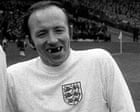
Nobby Stiles earned his place in football history as an indispensable member of England's World Cup-winning squad. His fellow teammate Geoff Hurst famously described him as the "heart and soul" of the 1966 team, recognizing his vital contributions to the squad's success. Stiles was known for his tenacious defensive work, tough-tackling style, and unwavering commitment on the pitch, qualities that made him a respected figure in English football during the 1960s and beyond.
Delayed Medical Investigation and Reporting
One of the most troubling aspects of this case is the significant delay in properly documenting and investigating Stiles' death. Despite his prominence as an England international and World Cup winner, his passing in 2020 was not immediately reported to the coroner's office by the relevant authorities. This oversight meant that crucial medical examination and investigation were postponed for an extended period. The delayed reporting raises important questions about protocols for documenting deaths of notable public figures and ensuring proper medical investigation occurs promptly.
Understanding Football-Related Brain Injury
The coroner's ruling on Nobby Stiles brain condition adds to growing evidence regarding the dangers of repeated heading in football. Throughout his career spanning several decades, Stiles engaged in thousands of heading actions, a fundamental skill in the sport that was rarely questioned or regulated during his playing years. Modern research has increasingly documented connections between repeated head impacts in football and various neurological conditions, including chronic traumatic encephalopathy and other degenerative brain conditions.
During the 1960s and 1970s, when Stiles was at the height of his career, there was minimal awareness or discussion about the long-term health implications of repeatedly heading leather footballs, which were significantly heavier than modern balls, particularly when wet. Players wore no protective equipment, and medical protocols were far less advanced than today's standards. Stiles, like many of his contemporaries, competed in an era where physical demands were accepted without question and potential health consequences were not systematically studied or communicated to athletes.
Impact on Football Health Awareness
The official determination regarding Nobby Stiles brain condition serves as an important reminder of the sport's responsibility toward player welfare. His case contributes to a broader conversation within football about implementing protective measures, conducting long-term health monitoring, and providing medical support to former players who may be suffering from conditions linked to their playing careers. Various football organizations have begun implementing heading guidelines, particularly for younger players, based on emerging research about cumulative neurological damage.
Legacy and Recognition
Despite the tragic circumstances surrounding his health decline, Nobby Stiles remains celebrated as an exemplary defender and a crucial component of England's most successful footballing moment. His contributions to the 1966 World Cup victory are permanently enshrined in football history. The coroner's ruling does not diminish his achievements but rather highlights the physical sacrifices made by athletes of his generation who played without full knowledge of potential long-term health consequences.
The case of Nobby Stiles brain condition underscores the importance of comprehensive medical research, proper investigation protocols, and ongoing support systems for former professional athletes. As the sport continues to evolve, the lessons learned from prominent figures like Stiles help shape policies aimed at protecting current and future generations of footballers from similar health complications.