
Netflix Wonka Series Receives Criticism Over AI-Recreated Gene Wilder Vocals
Netflix's Wonka show sparks debate after using AI-generated Gene Wilder voice. The late actor's family approved the decision, raising questions about digital re...
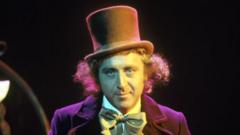
Netflix Wonka Series Faces Significant Controversy Surrounding AI-Generated Gene Wilder Voice
The highly anticipated Netflix Wonka series has become the center of intense public debate following revelations about its use of an AI-generated Gene Wilder voice. The innovative yet contentious approach to featuring the beloved actor, who passed away in 2016, has ignited widespread discussion across social media platforms and entertainment industry circles regarding the ethical implications of artificial intelligence in modern production.
The Estate's Approval and Digital Recreation Process
According to official statements, the decision to incorporate an AI-generated Gene Wilder voice in the Netflix Wonka production received explicit authorization from the actor's estate. This consent marks a significant milestone in how entertainment properties manage the legacies of deceased performers. The Gene Wilder estate carefully evaluated the project before granting permission, weighing both the creative vision and the respectful representation of the legendary actor's iconic contributions to cinema.
The technical execution involved sophisticated artificial intelligence technology designed to authentically replicate Wilder's distinctive vocal patterns, intonation, and characteristic mannerisms that made his performances unforgettable across generations of viewers.
Public Response and Industry Debate
Despite obtaining formal approval from family representatives, the backlash reveals deeper concerns within both the entertainment community and general audiences. Critics argue that employing AI-generated Gene Wilder voice technology, regardless of estate consent, raises fundamental questions about artistic authenticity and the appropriate boundaries for digital recreation of legendary performers.
Social media platforms have become battlegrounds for debate, with supporters praising the innovative approach to honoring the actor's legacy while detractors question whether technological capability should always translate into implementation, even with family permission.
Broader Implications for Entertainment Industry Standards
This Netflix Wonka series situation establishes important precedents for how the entertainment industry will navigate similar circumstances in the future. As artificial intelligence technology becomes increasingly sophisticated, production companies face mounting pressure to establish clearer ethical guidelines and industry standards regarding the digital recreation of deceased talent.
The Gene Wilder voice controversy demonstrates that securing estate approval, while legally and morally important, does not automatically resolve public perception or industry acceptance of AI-generated performances in significant projects.
Moving Forward with Digital Ethics Considerations
Looking ahead, the entertainment sector must develop comprehensive frameworks addressing the use of AI-generated Gene Wilder voice technology and similar applications. These standards should balance respecting artists' legacies, honoring family wishes, advancing technological innovation, and maintaining authentic creative expression that audiences value.
The Netflix Wonka series serves as a watershed moment for conversations about artificial intelligence's role in entertainment, challenging stakeholders to think carefully about where innovation meets tradition, and how to preserve the integrity of legendary performances while exploring new technological possibilities.


