
Netanyahu Rejects Trump's 15-Point Gaza Plan: Military Withdrawal Conditions Set
Netanyahu refuses Trump's Gaza proposal, insisting Israeli military remains until Hamas is completely disarmed. Latest Middle East developments analyzed.
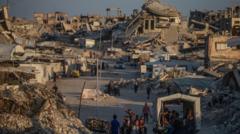
Israeli Prime Minister Stands Firm on Gaza Military Presence
Netanyahu rejects Trump's 15-point Gaza plan, marking a significant divergence in approaches to resolving the ongoing conflict in the Palestinian territory. The Israeli government has made clear that its military operations will continue indefinitely unless specific conditions regarding Hamas are met, establishing a firm stance on the future of the region.
The proposal put forward by the Trump administration outlined a comprehensive framework intended to address security concerns and facilitate reconstruction efforts in Gaza. However, Prime Minister Benjamin Netanyahu has declared this plan insufficient for Israel's strategic interests, citing the necessity for complete neutralization of militant capabilities before any withdrawal consideration.
Core Conditions for Military Withdrawal
According to Netanyahu's statement, the Israeli Defense Forces will maintain their presence in Gaza as long as Hamas retains operational capacity. The phrase "genuinely disarmed" has become central to Israel's negotiating position, emphasizing that symbolic gestures or partial weapons surrenders will not satisfy security requirements.
The Israeli government's position reflects deep concerns about militant infrastructure rebuilding and underground tunnel networks that have been documented throughout Gaza. Military strategists argue that premature withdrawal could allow Hamas to reconstitute its fighting force, repeating cycles of conflict that have characterized the region for decades.
International Implications and Diplomatic Tension
Netanyahu's rejection of Trump's plan creates considerable diplomatic friction at a critical moment for Middle Eastern peace initiatives. The divergence between Washington and Israel raises questions about the coordination of foreign policy objectives and the future direction of peace negotiations.
This development occurs amid broader international scrutiny regarding military operations in Gaza and their humanitarian consequences. Various international bodies have called for expedited resolution mechanisms, but Netanyahu's hardline stance suggests that rapid political solutions remain unlikely without fundamental changes in Hamas's organizational structure.
Israeli Security Perspective
From Tel Aviv's perspective, the security threat posed by Hamas justifies the continued military deployment. Intelligence reports indicate that the organization possesses significant remaining weaponry and maintains command structures despite sustained military pressure. Netanyahu emphasizes that withdrawing prematurely could undermine years of operational achievements.
The Israeli government has repeatedly warned that international pressure to withdraw troops must be balanced against legitimate security needs. Officials argue that their military presence serves not only Israeli interests but also prevents humanitarian emergencies through coordinated logistics and aid distribution channels.
Palestinian Situation and Humanitarian Concerns
The continued Israeli military presence in Gaza has profound implications for Palestinian civilians. Humanitarian organizations report ongoing challenges in delivering medical supplies, food, and reconstruction materials. The extended timeline for military operations means prolonged disruptions to normal civilian life and economic activities.
However, Israeli authorities contend that ensuring complete disarmament of militant factions represents the only viable path toward sustainable peace and eventual civilian normalcy. This perspective shapes all negotiations and conditions Netanyahu presents to international mediators.
Trump Administration Response
The Trump proposal was designed as a comprehensive solution addressing multiple stakeholder concerns simultaneously. The fifteen-point framework included security guarantees, economic incentives, and infrastructure development plans. Netanyahu's outright rejection suggests fundamental incompatibility between American diplomatic objectives and Israeli strategic calculations.
This situation reflects the broader challenge of achieving consensus among multiple parties with divergent security priorities and political objectives. International diplomacy frequently encounters such impasses when security concerns and timeline expectations fail to align between negotiating parties.
Future Trajectory and Negotiations
Netanyahu's declaration establishes clear parameters for any future negotiations. Israeli military withdrawal becomes contingent upon demonstrable, verifiable disarmament of Hamas rather than political agreements or international pressure. This framework may determine diplomatic possibilities for months or years ahead.
Regional analysts suggest that Netanyahu rejects Trump's Gaza plan based on calculated assessments that internal Israeli politics and military recommendations supersede external diplomatic proposals. Understanding this decision requires considering Israeli domestic political pressures, military doctrine, and perceived threats from armed groups operating in Gaza.


