
Navy Prioritizes Drone-Armed Vessels Over Traditional Destroyer Replacements
The Navy shifts strategy toward modern drone-equipped warships instead of replacing aging destroyers in the latest defence investment plan.
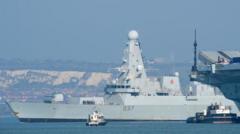
Naval Strategy Shift Toward Unmanned Technology
The government has announced a significant pivot in its military procurement approach, deciding to invest in modern drone-equipped warships rather than pursuing traditional destroyer replacement programs. This strategic decision, outlined in the forthcoming defence investment plan, represents a fundamental transformation in how the Navy will approach maritime security and operational capabilities in the coming years.
The shift toward drone-equipped warships signals a broader recognition within defence circles that autonomous and remotely operated vessels offer greater flexibility and cost-effectiveness compared to conventional capital ships. By prioritizing this emerging technology, the military establishes a forward-looking approach that aligns with contemporary geopolitical challenges and technological advancement.
Transitioning Away from Conventional Destroyer Programs
For decades, naval forces have relied on destroyer-class vessels as the backbone of their surface combat operations. However, aging platforms have necessitated difficult decisions regarding fleet modernization. Rather than embarking on expensive replacement programs for these traditional warships, the government has determined that resources will be better allocated toward developing and deploying drone-equipped vessels.
This decision addresses a critical gap in current naval capacity while avoiding the astronomical costs associated with building new generation destroyers. Advanced drone technology enables navies to extend their operational reach, reduce crew requirements, and maintain strategic advantages in contested maritime environments.
Defence Investment Plan Framework
The upcoming defence investment plan will serve as the blueprint for this transformative initiative. This comprehensive strategy outlines specific funding allocations, timeline expectations, and technological milestones necessary to transition the fleet toward unmanned maritime systems. The plan reflects extensive analysis of operational requirements and anticipated threat environments.
Investment in drone-equipped warships will encompass various vessel categories, from smaller unmanned platforms for surveillance and reconnaissance to larger autonomous systems capable of sustained operations across extended maritime zones. This layered approach ensures flexibility in deployment and mission accomplishment.
Technological Advantages of Unmanned Maritime Systems
Drone-equipped warships present substantial operational advantages over traditional destroyer platforms. These vessels can operate in high-risk environments without exposing human personnel to direct danger, significantly reducing crew casualty risks during hostile engagements. Additionally, unmanned systems demonstrate superior endurance capabilities, remaining operational for extended periods without requiring crew rest rotations.
The maintenance requirements for drone-equipped vessels tend to be lower than their manned counterparts, translating to improved operational availability and reduced lifecycle costs. Furthermore, these platforms can be equipped with diverse sensor packages and weaponry configurations, allowing rapid adaptation to evolving mission requirements.
Long-term Naval Modernization Implications
By directing resources toward drone-equipped warships, the Navy positions itself advantageously within the competitive international defence landscape. Peer nations and potential adversaries are simultaneously investing in similar technologies, making rapid adoption essential for maintaining strategic deterrence and operational superiority.
The decision to prioritize unmanned vessels over traditional destroyer replacements establishes a multi-decade roadmap for naval evolution. This transformation will reshape fleet composition, operational doctrine, and personnel requirements across the service branch. Training programs will need to evolve alongside technological developments to ensure operators possess necessary expertise in managing sophisticated autonomous systems.
Economic and Strategic Considerations
Government officials have emphasized that this investment strategy provides superior value for defence expenditures. While drone-equipped warships require substantial initial development costs, their operational efficiency and reduced manning requirements generate significant long-term savings compared to traditional destroyer programs.
The drone-equipped warships initiative demonstrates government commitment to maintaining naval capability while managing fiscal constraints. By embracing emerging technologies, defence planners ensure that limited resources produce maximum strategic benefit and operational readiness across varied maritime scenarios and geographic zones.


