MPs Warn Against Forcing Assisted Dying Bill Through Parliament
Labour MPs urge Commons to avoid extraordinary risk of forcing through assisted dying bill. Lords scrutiny crucial for serious public issue debate.
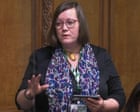
MPs From Opposing Sides Unite Against Forcing Assisted Dying Bill
In a remarkable show of cross-party concern, Members of Parliament who hold conflicting views on the assisted dying bill have jointly warned against using parliamentary procedures to bypass ongoing scrutiny. This unified stance underscores the significance of the legislative process on such a consequential matter affecting end-of-life decisions for terminally ill patients across the nation.
The assisted dying bill has emerged as one of the most contentious pieces of legislation debated in Westminster, with lawmakers emphasizing that responsible governance demands thorough examination rather than expedited passage through procedural shortcuts.
Labour MPs Issue Joint Warning
Two prominent Labour politicians have taken the exceptional step of addressing their parliamentary colleagues in writing during critical moments preceding Friday's scheduled vote. Gareth Snell, who cast his vote in support of the measure, and Meg Hillier, who voted against it, have coordinated their message to caution against what they describe as an "extraordinary risk."
Their correspondence represents a significant moment in Westminster politics, demonstrating that despite ideological disagreements on the substance of the assisted dying bill, legislators from the same party recognize the paramount importance of maintaining proper parliamentary protocol and respecting the legislative chamber's constitutional functions.
The Case for Lords Scrutiny
The warning letter specifically emphasizes that the House of Lords must be permitted to execute its fundamental constitutional responsibility: rigorous examination of bills on matters of profound public consequence. The Lords' role as a revising chamber has historically provided essential checks on rushed legislation, particularly on issues where public opinion remains divided and ethical considerations demand careful deliberation.
MPs advocating for this position argue that the assisted dying bill, given its implications for medical ethics, patient autonomy, palliative care systems, and constitutional principles, requires the comprehensive scrutiny that the upper house is designed to provide. Bypassing or constraining this process risks undermining the democratic legitimacy of any final legislation.
Understanding Parliamentary Procedure Concerns
The reference to "obscure parliamentary procedure" relates to provisions that allow the Commons to override repeated Lords rejections under specific circumstances. While such mechanisms exist within parliamentary law, their invocation on highly divisive social legislation remains exceptionally rare and controversial.
The potential use of these procedural tools to force through the assisted dying bill troubles both supporters and opponents of the measure, who recognize that legislation enacted through such methods may lack the consensus and careful consideration necessary for implementation on matters touching upon life, death, and fundamental human values.
Broader Implications for Democratic Process
This intervention highlights growing concerns about the pace and manner in which the Commons advances controversial bills. The assisted dying bill exemplifies legislation where procedural shortcuts could damage public confidence in parliamentary decision-making, regardless of the final outcome on the substantive question.
Both sides of the assisted dying debate acknowledge that legitimate concerns exist across society regarding how such legislation should be developed. The involvement of both proponents and opponents in urging restraint demonstrates that parliamentary procedure, despite potentially seeming arcane to outside observers, carries profound significance for democratic governance.
Friday's Critical Vote Ahead
As Parliament prepares for the imminent vote, the warning from Snell and Hillier arrives at a moment when the path forward for the assisted dying bill remains uncertain. Should the Lords continue to obstruct passage, the question of whether Commons leadership might resort to parliamentary procedures that override upper house resistance becomes increasingly relevant.
The MPs' intervention suggests that any attempt to force through legislation using such methods would face meaningful opposition from across party lines, potentially creating additional complications for parliamentary leadership seeking to move the measure forward.
The Substance Versus Process Debate
Importantly, the concerns raised about the assisted dying bill focus on process rather than the underlying question of whether assisted dying should be legalized. This distinction proves significant: even those who support legalizing assisted dying recognize that the method of legislative passage matters enormously for the legitimacy and durability of any resulting law.
Public policy on end-of-life care requires genuine democratic consensus and thorough examination of complex medical, ethical, and legal implications. The Lords' contribution to this process, whatever one's position on the substantive issue, remains essential to sound governance.