Iran Proposes Opening Strait of Hormuz Within Six Days
Iran has presented Trump with a proposal to open the Strait of Hormuz in six days if the US lifts oil sanctions and ends regional conflicts including in Lebanon...
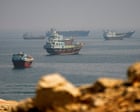
Iran's Strategic Proposal to Trump Administration
The Strait of Hormuz has become a focal point in ongoing diplomatic negotiations between Iran and the United States. Iran has formally communicated to Donald Trump that it is prepared to open the Strait of Hormuz within a six-day timeframe, contingent upon specific concessions from Washington. This proposal represents a significant development in the broader context of US-Iran relations and nuclear diplomacy.
Key Conditions for the Agreement
Iran's opening of the Strait of Hormuz is not unconditional. The Iranian government has outlined several prerequisites that must be met by the United States. First and foremost, the US must eliminate its sanctions regime targeting Iran's oil export sector. Additionally, Washington must commit to ending military operations and support for conflicts across multiple fronts, with particular emphasis on ceasing involvement in Lebanon. Furthermore, Iran has requested the release of frozen Iranian assets that have been held by the United States as part of existing sanctions measures.
Nuclear Negotiations Timeline
Beyond the immediate opening of the Strait of Hormuz, Iran has proposed commencing negotiations regarding its nuclear program just one day after the waterway is opened. This accelerated timeline demonstrates Tehran's intent to rapidly advance the diplomatic process with the Trump administration. The proposed schedule aims to expedite nuclear talks that were previously expected to follow a more prolonged preliminary phase.
Connection to June Memorandum of Understanding
The current proposal builds upon the memorandum of understanding that was initially signed between the United States and Iran in June. That foundational agreement established general principles for future negotiations and cooperation. However, the Strait of Hormuz initiative represents an effort to substantially accelerate the implementation timeline established in the June memorandum. By bundling these conditions together, Iran seeks to move negotiations forward at an unprecedented pace while ensuring that its core demands are addressed simultaneously.
The Strategic Importance of the Strait
The Strait of Hormuz remains one of the world's most strategically critical maritime passages. Its control and accessibility have profound implications for global energy markets, international commerce, and regional stability. An opening of the strait would represent a dramatic shift in Middle Eastern geopolitics and would signal a willingness from Iran to engage constructively with the international community under specific terms.
Sanctions Relief as Central Negotiating Point
The removal of sanctions on Iran's oil exports constitutes perhaps the most economically significant element of Iran's proposal. These sanctions have severely impacted Iran's ability to export petroleum products and generate revenue. By tying the opening of the Strait of Hormuz to sanctions relief, Iran has presented a package deal that addresses both its economic interests and its security concerns regarding regional stability.
Regional Conflict Resolution
Iran's insistence that the United States end the war on all fronts, particularly in Lebanon, reflects Tehran's broader strategic priorities in the Middle East. The ongoing conflicts in the region have created complex security dynamics that Iran views as interconnected. By conditioning the opening of the Strait of Hormuz on regional peace efforts, Iran signals that it views maritime access and regional security as inseparable issues requiring comprehensive resolution.
Trump Administration's Response Status
As of the current timeline, the Trump administration has not yet formally responded to Iran's proposal regarding the Strait of Hormuz. The six-day deadline begins from the moment of communication, creating a compressed timeframe for diplomatic response and decision-making. The administration's reaction will be closely monitored by international observers and regional stakeholders alike.
Implications for Global Energy Markets
Any agreement involving the opening of the Strait of Hormuz would have immediate consequences for global oil prices and energy security. The prospect of enhanced access through this critical chokepoint could influence petroleum markets worldwide and affect the economic calculations of numerous nations dependent on Middle Eastern oil supplies.
Nuclear Diplomacy Acceleration
The proposed expedited timeline for nuclear negotiations demonstrates Iran's willingness to move swiftly toward substantive discussions if its preconditions are met. This approach suggests that Tehran views the combination of sanctions relief, regional conflict resolution, and improved US-Iran relations as prerequisites for productive nuclear talks. The one-day interval between opening the Strait of Hormuz and commencing nuclear discussions would allow minimal time for implementation verification before negotiations formally begin.
International Diplomatic Dimensions
The proposal also carries implications for various international stakeholders, including European nations that have maintained positions regarding Iran sanctions and nuclear developments. The rapid timeline and comprehensive nature of Iran's conditions suggest an attempt to create momentum that could reshape US-Iran relations and potentially influence broader Middle Eastern geopolitical arrangements.
Looking Forward
The Strait of Hormuz proposal represents a critical juncture in negotiations between Iran and the United States. The coming days will prove decisive in determining whether Trump's administration views Iran's conditions as acceptable bases for further dialogue or whether alternative diplomatic approaches will be pursued. The outcome will have lasting consequences for regional stability, global energy security, and the trajectory of international relations in the Middle East.