
How Neurodivergent Festival-Goers Can Manage Sensory Overload
Discover practical strategies for neurodivergent people to enjoy festivals comfortably. Learn about calm spaces, sensory accommodations, and coping techniques f...
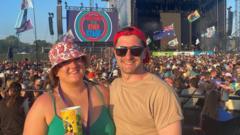
Understanding Festival Challenges for Neurodivergent Attendees
Attending festivals presents unique challenges for neurodivergent festival accommodations that many event organizers are only beginning to address. From overwhelming sensory stimulation to unpredictable crowds and loud environments, individuals with autism spectrum disorder, ADHD, and other neurodivergent conditions often struggle to fully participate in these vibrant cultural experiences. The combination of intense sounds, flashing lights, and crowded spaces can trigger sensory overload, making it difficult to enjoy the festival experience that others seem to take for granted.
The festival environment itself—with its unpredictable schedules, changing crowds, and multiple sensory inputs—can be particularly disorienting for neurodivergent attendees. What represents a fun day out for neurotypical guests may feel like navigating a chaotic maze for someone with sensory processing differences. However, forward-thinking event organizers and accessibility advocates are working to transform festivals into more inclusive spaces through thoughtful accommodations and support systems.
The Emergence of Sensory-Friendly Festival Spaces
A growing number of festivals are implementing calm spaces and other sensory accommodations to support neurodivergent festival accommodations. These dedicated areas function as quiet retreats where attendees can step away from the overwhelming sensory environment, regulate their nervous systems, and return to the main festival refreshed and able to continue enjoying the experience. Some events are also introducing noise-cancelling headphones and providing them free of charge to attendees who need them.
These calm spaces typically feature reduced lighting, lower sound levels, comfortable seating, and sometimes access to water or other beverages. They serve as critical recovery zones where neurodivergent individuals can take breaks without feeling excluded from the overall festival. Staff members trained in neurodiversity awareness often supervise these spaces, creating a supportive environment where visitors feel understood and accepted rather than judged for needing to step away from the main festivities.
Beyond Basic Accommodations: A Call for Comprehensive Accessibility
While the introduction of calm spaces and sensory-friendly equipment represents significant progress, accessibility advocates argue that festivals must go further to truly serve neurodivergent attendees. Comprehensive accessibility requires a multi-faceted approach that extends beyond reactive measures like quiet rooms. Festival organizers need to implement proactive strategies that make the entire event more neurodivergent-friendly from the planning stage onward.
This includes providing clear, detailed schedules and maps well in advance, offering alternative entry points to avoid crowded gates, establishing sensory-friendly time slots with reduced capacity, and training all staff members about neurodiversity. Additionally, festivals should consider allowing service animals, providing family or caregiver support areas, offering fidget tools, and ensuring accessible restrooms with reduced sensory inputs. The goal is to create an environment where neurodivergent attendees can participate fully without exhaustion or distress.
Personal Strategies for Neurodivergent Festival Attendees
While waiting for comprehensive festival accessibility improvements, neurodivergent individuals can employ several effective personal strategies to enhance their festival experience. Planning and preparation are essential—reviewing schedules, identifying must-see acts, and planning break times can significantly reduce anxiety and overwhelm. Arriving early when crowds are smaller allows for acclimatization and scouting of calm spaces and emergency exits.
Bringing personal sensory regulation tools makes a substantial difference in managing festival attendance. This might include noise-cancelling or reducing earplugs, sunglasses or hats to manage visual stimulation, fidget items or stim toys, comfort items like blankets or cushions, and any medications or supplements that support focus and emotional regulation. Attending with trusted friends or family members who understand your needs provides additional support and can help with grounding techniques if sensory overload occurs.
Practical Tips for Festival Attendance
Setting boundaries is crucial for neurodivergent festival-goers. Deciding in advance which acts are priorities, giving yourself permission to skip performances, and planning specific break times helps prevent burnout. Staying hydrated and eating regular meals maintains physical and mental resilience when facing sensory challenges. Wearing comfortable clothing and footwear appropriate for standing ensures that physical discomfort doesn't compound sensory overload.
Establishing a safe signal or plan with companions for when you need to leave or take a break removes the burden of explaining yourself in the moment. Knowing where medical tents, accessible restrooms, and quiet areas are located before entering the festival grounds creates a sense of security and preparedness. Leaving early or taking partial attendance—experiencing the festival over a shorter timeframe rather than full festival days—is a completely valid and often necessary approach.
The Evolution of Inclusive Festival Culture
The conversation around neurodivergent festival accommodations reflects a broader cultural shift toward inclusivity and accessibility in entertainment and events. As awareness of neurodiversity increases, more festival organizers recognize that accommodations benefit not only neurodivergent attendees but enhance the experience for all guests. Parents with anxious children, elderly attendees, and individuals with other accessibility needs also benefit from calm spaces and sensory considerations.
Progressive festivals are discovering that investing in accessibility infrastructure doesn't diminish the festival experience—it expands it, allowing more people to participate and enjoy themselves. Some festivals have found that attendees who use calm spaces actually spend more time at the event overall, as they can manage their energy and sensory input more effectively, ultimately leading to increased spending and more positive reviews.
Looking Forward: The Future of Festival Accessibility
The path toward truly inclusive festivals requires ongoing collaboration between organizers, neurodivergent communities, and accessibility experts. Festival planners should actively seek feedback from neurodivergent attendees about what accommodations are most helpful and what barriers still exist. Sharing best practices across the festival industry accelerates progress, ensuring that successful strategies from leading events become standard practice across the sector.
As festivals continue to evolve, the goal should be creating environments where neurodivergent people don't simply survive the experience but genuinely thrive and enjoy themselves. This requires sustained commitment to accessibility, meaningful investment in sensory accommodations, and a cultural understanding that neurodiversity is a natural variation of human experience deserving of celebration and support. When festivals embrace these principles, they create spaces where everyone—regardless of how their brain is wired—can celebrate music, culture, and community together.


