Healey Issues Stark Warning Against Retail Price Gouging
Chancellor John Healey warns retailers against profiteering on food and fuel prices amid Iran tensions. Government monitoring for price gouging as inflation con...
Government Vigilance Against Price Gouging Intensifies
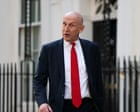
Chancellor John Healey has declared the government's commitment to safeguarding consumers from price gouging on essential goods as geopolitical tensions continue to exert pressure on global commodity markets. Speaking through a weekend statement, Healey emphasized that authorities remain alert to any attempts by major retailers to exploit the current crisis through unjustified price increases on food and fuel.
The warning comes at a critical juncture when energy prices and grocery costs remain under significant upward pressure. While acknowledging that substantial evidence of price gouging has not emerged during the recent crisis period, Healey made it clear that retailers should not interpret this moderation as permission to increase margins unfairly.
Monitoring Market Conditions Closely
Officials have established a monitoring framework to track pricing behavior across the retail sector. The government's position reflects growing public concern about whether companies are using external economic shocks as cover for profit maximization. Healey's statement signals that any detected instances of profiteering will face scrutiny and potential intervention.
The chancellor's approach balances market principles with consumer protection. Rather than implementing immediate price controls, the government has opted for transparent oversight, allowing retailers to adjust prices in response to genuine cost pressures while preventing artificial manipulation that harms household budgets.
Impact on Consumer Confidence
Consumer purchasing power remains vulnerable to unexpected price shocks. When retailers engage in price gouging, the effects ripple through entire communities, disproportionately affecting lower-income households that dedicate larger portions of their budgets to food and energy. Healey's commitment to preventing such practices aims to maintain stability in essential markets.
The chancellor's warning also serves as a reminder that regulatory oversight exists as a backstop. Retailers understanding that pricing decisions face governmental review may encourage voluntary restraint in margin expansion, protecting consumer welfare without requiring formal intervention.
Broader Economic Context
The current situation reflects how global conflicts influence domestic inflation. Iran-related tensions have contributed to energy price volatility, creating opportunities for strategic businesses to capitalize on supply constraints. By publicly announcing government watchfulness, Healey seeks to discourage such behavior before it becomes systemic.
Economic analysts note that early intervention signals like Healey's statement can be effective in preventing price gouging before it establishes itself as standard practice. Retailers understanding the political and regulatory environment adjust their strategies accordingly, often choosing sustainable profit models over short-term gains that invite governmental action.
Consumer Protection Framework
The government's strategy emphasizes transparency and accountability rather than punitive measures. By making clear that monitoring occurs and that evidence of profiteering will be addressed, authorities establish expectations for ethical business behavior. This approach respects market mechanisms while protecting vulnerable consumers from exploitation during crisis periods.