Healey Increases Bank and Landlord Taxes for £100 Cost of Living Relief
Chancellor Healey's 2026 Budget raises taxes on banks and landlords to fund £100 winter payments for 20 million households amid ongoing cost of living crisis.
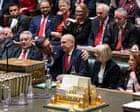
Budget 2026: Major Tax Increases Target Financial Sector and Property Owners
Chancellor John Healey announced significant Budget 2026 tax increases focused on banks and landlords as part of a comprehensive strategy to address the persistent cost of living crisis affecting millions of British households. The fiscal measures unveiled in his inaugural budget represent a decisive shift in government revenue generation, with proceeds directed toward providing immediate financial relief to vulnerable families facing mounting energy and living expenses.
The government's approach to Budget 2026 tax increases reflects growing concerns about sustained economic pressures on household finances. With official forecasts indicating no imminent resolution to the cost of living emergency, Healey justified the expanded tax burden on financial institutions and property owners as a necessary measure to fund direct assistance programs.
Winter Handout Program Targets 20 Million Families
At the centerpiece of the budget announcement stands a £100 winter payment initiative designed to reach approximately 20 million households across the nation. This targeted relief scheme represents a direct government intervention to help families manage escalating energy costs and general living expenses during the critical winter months.
The distribution of these funds follows a carefully structured eligibility framework, ensuring that support reaches households most severely impacted by sustained inflation and energy price volatility. By providing tangible financial assistance, the government aims to ease immediate hardship while broader economic adjustments take effect across the wider economy.
Global Economic Factors Drive Policy Response
Chancellor Healey attributed the prolonged economic challenges to what he characterized as "global economic storms," specifically identifying geopolitical tensions affecting energy markets. The escalating situation in Iran has contributed to elevated oil and gas prices, creating inflationary pressures that have rippled through consumer prices for essential commodities.
These international developments have constrained government options for fiscal stimulus, necessitating a rebalancing of the tax burden. Rather than implementing broad-based tax increases affecting all taxpayers, the budget strategy concentrates additional contributions from sectors deemed most resilient to increased taxation—specifically the banking industry and residential property ownership sector.
Banking Sector Tax Enhancement
Financial institutions face enhanced tax obligations under the new budget framework. This approach reflects government assessment that major banks possess adequate capacity to absorb higher tax rates while maintaining operational viability and competitive positioning. The banking sector tax increase forms a substantial portion of the revenue base supporting the household relief initiatives.
Landlord Taxation Modifications
Property owners and landlords encounter modified tax treatment designed to generate additional revenue for government coffers. These taxation changes address both residential and commercial property investments, creating a broader tax base from the real estate sector. The rationale underlying increased landlord taxation incorporates considerations regarding property market resilience and rental income generation capacity.
Official Forecasts and Economic Outlook
Government economic forecasts accompanying the budget announcement present a sobering assessment of near-term economic conditions. Projections indicate continued pressure on household finances, with no anticipated rapid resolution to affordability challenges confronting British consumers. These official estimates informed policy decisions regarding the necessity and scope of direct financial interventions.
The forecasting agencies emphasized that structural factors—including global energy market dynamics and international economic conditions—will continue constraining household purchasing power throughout the forecast period. This reality necessitated immediate action through the winter handout program, providing temporary relief while longer-term economic adjustments develop.
Fiscal Strategy and Revenue Generation
The budget's revenue-raising measures demonstrate a deliberate fiscal strategy targeting specific sectors rather than implementing universally applicable tax increases. By concentrating additional taxation on banks and landlords, the government sought to minimize direct impact on household disposable incomes while generating sufficient revenue for relief initiatives.
This targeted approach reflects political and economic considerations regarding tax incidence and distributional impact. The government reasoned that financial sector and property owner tax capacity could accommodate rate increases without severely disrupting economic activity or investment decisions in these critical sectors.
Political Context and Government Priorities
As Healey's first budget in his role as chancellor, the fiscal statement provided an opportunity to establish policy direction and demonstrate government commitment to addressing cost of living pressures. The combination of sector-specific tax increases and direct household relief payments communicated a clear prioritization of immediate support for struggling families.
The political messaging emphasized that the government recognized widespread economic hardship and possessed the fiscal tools to provide targeted assistance. Rather than adopting a purely austere approach, budget policy balanced revenue enhancement with direct benefit distribution, attempting to demonstrate tangible government action on household economic concerns.
Conclusion
The 2026 Budget represents a pivotal fiscal statement addressing the ongoing cost of living crisis through dual mechanisms: enhanced taxation on financial and property sectors combined with direct £100 payments to millions of households. Chancellor Healey's inaugural budget articulates a government response to sustained economic pressures driven partly by global geopolitical developments affecting energy markets. While the winter handout program provides immediate relief to 20 million families, the longer-term effectiveness of these measures depends on whether underlying economic conditions improve and international energy market dynamics stabilize.