
GPS Trackers Won't Help Recover Your Stolen Vehicle, Experts Warn
Experts reveal why GPS trackers fail to recover stolen vehicles. Learn what actually works and the legal limitations preventing real-time tracking systems.
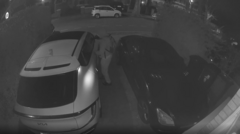
GPS Trackers Prove Ineffective for Stolen Car Recovery, Experts Caution
Leading specialists in vehicle security have issued a stark warning: relying on GPS trackers to recover stolen cars is fundamentally flawed. Despite technological advances in stolen car recovery systems, the reality on the ground tells a different story. Experts explain that while GPS trackers sound promising, they face numerous obstacles when it comes to actually retrieving stolen vehicles from thieves.
Legal Restrictions Hamper Real-Time Vehicle Tracking
One of the most significant barriers preventing effective GPS tracking of stolen vehicles involves legal constraints. Major automobile manufacturers have disclosed that regulatory frameworks in various jurisdictions, including the United Kingdom, explicitly prohibit the use of real-time location tracking functions for live vehicle monitoring. This legal limitation creates a fundamental gap between what technology can do and what companies are permitted to do.
Kia, one of the world's largest automotive manufacturers, confirmed to media outlets that UK legislation prevents its location tracking function from being utilized to monitor vehicles in real-time. This restriction exists regardless of whether a vehicle has been reported stolen or is being actively pursued by authorities. The constraint represents a deliberate regulatory choice designed to protect privacy rights, but it simultaneously undermines vehicle owners' ability to track their own stolen property.
Why Stolen Car Recovery Systems Often Fail
Beyond legal obstacles, GPS trackers and stolen car recovery systems encounter practical challenges that limit their effectiveness. When vehicles are stolen, criminals frequently employ sophisticated countermeasures. Professional car thieves possess knowledge about disabling tracking devices, identifying their locations within vehicles, and removing them entirely. The cat-and-mouse game between vehicle security technology and theft prevention methods continues to favor those with criminal intent.
Additionally, GPS signal transmission requires unobstructed connections to satellites. Once a stolen vehicle enters enclosed spaces—warehouses, shipping containers, or underground facilities—the tracking signal becomes unreliable or completely blocked. This vulnerability means that tracking systems work best when thieves are driving openly, but fail precisely when criminals are concealing vehicles in preparation for resale or dismantling.
The Time Factor in Vehicle Theft
Speed is another critical element that renders stolen car recovery systems less effective. Modern vehicle theft occurs rapidly. Professional car theft gangs can locate, steal, and move vehicles to secure locations within hours or even minutes. By the time a vehicle owner discovers the theft and attempts to activate tracking mechanisms, the car may have already been relocated multiple times or moved to a location where GPS signals cannot penetrate.
Alternative Approaches to Vehicle Security
Given the limitations of GPS trackers in stolen car recovery situations, experts recommend a multi-layered approach to vehicle security. Rather than depending solely on tracking technology, vehicle owners should implement comprehensive theft prevention strategies that address the problem from multiple angles.
Immobilizer systems remain among the most effective anti-theft technologies available. These devices prevent vehicles from starting without proper authentication, making stealing and driving away significantly more difficult for criminals. When combined with steering wheel locks, alarm systems, and secure parking practices, immobilizers create substantial barriers to opportunistic thieves.
Insurance and Police Coordination
Experts emphasize that stolen car recovery success depends heavily on immediate notification to authorities and insurance providers. Police departments possess access to road cameras, traffic monitoring systems, and inter-agency coordination that individual GPS trackers cannot match. Insurance companies often employ specialized investigators and work closely with law enforcement to recover stolen vehicles. These official channels, while slower than real-time GPS tracking might suggest, ultimately prove more reliable for actually retrieving stolen property.
Reporting a stolen vehicle immediately to police significantly increases recovery chances. Law enforcement agencies can activate missing vehicle databases, coordinate with other departments across regions, and monitor common destination points where stolen cars typically appear. This coordinated response often outperforms the capabilities of consumer-grade GPS tracking systems.
The Reality of Vehicle Theft Recovery Rates
Statistics reveal that stolen car recovery rates vary significantly by region and vehicle type, but overall recovery depends more on police resources, community reporting, and vehicle visibility than on tracking technology. High-value vehicles and vehicles reported quickly to authorities show higher recovery rates, while those equipped only with consumer GPS trackers show results comparable to vehicles without any tracking at all.
The disconnect between expectations and reality regarding GPS trackers reflects a broader misunderstanding about how vehicle theft actually occurs. Stolen car recovery systems work best when they complement rather than replace traditional security measures and proper reporting procedures.
Moving Forward with Realistic Expectations
Vehicle owners must adjust their expectations regarding GPS trackers and stolen car recovery capabilities. While location tracking technology continues improving, legal restrictions, technical limitations, and criminal countermeasures ensure that these systems cannot serve as reliable standalone solutions. Instead, comprehensive security strategies combining multiple technologies, proper parking practices, immediate police notification, and insurance coordination provide the best protection against vehicle theft.
As stolen car recovery systems continue evolving, experts stress the importance of understanding both their capabilities and limitations. Relying exclusively on GPS trackers creates a false sense of security that may lead to inadequate overall theft prevention measures. A balanced approach combining technology with traditional security practices and rapid response procedures remains the most effective strategy for vehicle protection.


