
Germany Reconsiders Coal Power Amid Natural Gas Crisis
Germany may revive coal-powered electricity as natural gas costs surge. Discover how energy prices are reshaping Europe's climate strategy and power grid decisi...
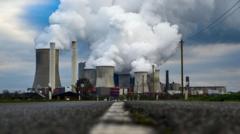
Germany's Energy Strategy Faces Unexpected Challenges
The debate surrounding coal-powered electricity in Germany has intensified as energy markets experience significant upheaval. While the nation previously committed to phasing out coal dependence, escalating natural gas expenses are prompting policymakers to reassess their long-term energy portfolio and industrial power requirements.
Coal-powered electricity generation has historically represented a cornerstone of Germany's energy infrastructure. However, environmental commitments and climate objectives led to aggressive timelines for transitioning away from fossil fuels. The planned phase-out was intended to accelerate renewable energy adoption and establish Germany as a leader in sustainable power production across the European continent.
The Natural Gas Price Dilemma
Recent volatility in natural gas markets has created unprecedented economic pressures on Germany's energy sector. The substantial increase in gas procurement costs has fundamentally altered the financial calculus of energy production. Utility companies and government officials are now evaluating whether maintaining strict anti-coal policies remains economically viable under current market circumstances.
Natural gas was positioned as a transitional fuel bridge between coal-dependent systems and fully renewable energy infrastructure. The surge in gas prices, however, has undermined this strategy's economic foundation. Industries dependent on stable energy costs face mounting expenses, while households confront higher utility bills, creating political pressure for alternative solutions.
Reconsidering Coal as a Temporary Solution
Government discussions now include scenarios where coal-powered electricity could resume operation at facilities previously scheduled for decommissioning. This reconsideration reflects the practical tensions between environmental ideals and immediate economic necessities. Energy security officials argue that maintaining operational coal plants provides crucial flexibility during supply disruptions and price volatility.
The potential revival of coal-powered electricity generation would represent a significant departure from Germany's publicly stated climate commitments. Yet energy analysts suggest this pragmatic shift addresses genuine vulnerabilities in the current system. Without adequate baseload capacity from traditional sources, Germany risks energy shortages during periods of low renewable generation, particularly during winter months when natural gas demand peaks.
Impact on European Energy Markets
Germany's position as Europe's largest economy makes its energy decisions particularly influential across the continent. Any substantial shift toward coal-powered electricity would send complex signals about the feasibility of rapid energy transitions. Other European nations pursuing similar decarbonization pathways closely monitor German policy adjustments for implications regarding their own strategies.
Energy market interconnections mean that German decisions regarding coal-powered electricity generation affect pricing and availability throughout the broader European grid. Countries dependent on imports or interconnected supply agreements face potential consequences from policy shifts in Berlin. The tension between climate objectives and economic pragmatism manifests differently across Europe, but Germany's choices carry outsized influence.
Renewable Energy Infrastructure Development
Despite potential coal-powered electricity reconsideration, Germany continues substantial investments in wind and solar capacity. Renewable infrastructure expansion remains fundamental to long-term strategy, even as short-term measures address immediate energy challenges. The timeline for achieving full renewable transition has extended considerably, acknowledging that technological and infrastructure limitations require more gradual implementation.
Grid modernization projects designed to accommodate variable renewable generation continue advancing, though implementation timelines often extend beyond initial projections. Battery storage technology development represents another critical component for managing intermittent renewable power and reducing reliance on fossil fuel backup systems.
Political and Public Perspective
Public opinion regarding coal-powered electricity remains divided, with environmental advocates opposing any expansion while energy security-focused constituencies support pragmatic flexibility. Political parties debate the optimal balance between climate commitments and economic stability. The discourse reflects broader European tensions between rapid decarbonization and practical energy management.
Environmental organizations argue that maintaining strong anti-coal positions strengthens momentum toward renewable investment. Business leaders counter that reliable, affordable energy underpins economic competitiveness. This debate will substantially influence Germany's energy policy trajectory throughout the coming decade.


