
Ford Brings Back Engineers After AI Quality System Falls Short
Ford rehires human engineers after discovering AI quality checks cannot match the expertise of seasoned technicians in vehicle production.
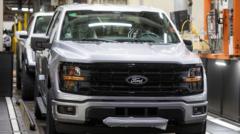
Ford Returns to Human Expertise Following AI Quality Control Setback
Automobile manufacturer Ford has made a significant strategic decision to rehire human engineers after discovering that its artificial intelligence quality checks systems failed to meet the rigorous standards maintained by experienced technicians. The company's experience underscores the ongoing challenges that automotive firms face when attempting to fully automate quality assurance processes in vehicle manufacturing.
The Limitations of Automated Quality Systems
Ford's decision to bring back experienced engineers reflects a broader industry challenge: while AI quality checks offer efficiency gains and cost savings, they frequently struggle to replicate the nuanced judgment that comes from decades of hands-on experience. The automotive manufacturer discovered that its automated systems were not catching defects and quality issues that veteran technicians identified with relative ease.
The company's quality assurance department had implemented AI-driven inspection protocols designed to streamline the production line and reduce labor costs. However, these systems proved insufficient in detecting subtle manufacturing flaws, material inconsistencies, and assembly errors that could affect vehicle performance and safety. Expert engineers possess an intuitive understanding of vehicle mechanics and component integration that current AI technology simply cannot match.
Why Human Technicians Remain Irreplaceable
The rehiring of human engineers demonstrates that artificial intelligence, despite remarkable advances, still has significant limitations in complex manufacturing environments. Veteran technicians bring contextual knowledge, problem-solving abilities, and the capacity to make judgment calls based on their accumulated professional experience. These qualities prove invaluable when addressing unique manufacturing scenarios that fall outside programmed parameters.
Ford's quality control specialists can identify potential issues through multiple sensory inputs—visual inspection, listening for unusual sounds, feeling for vibrations, and understanding how various components interact within the broader vehicle system. They can also adapt their inspection methods based on specific vehicle models, production runs, and seasonal variations in manufacturing conditions.
The Cost of Relying Solely on Automation
While AI quality checks promised operational efficiency, the actual implementation revealed that overlooking quality issues creates far greater expenses than maintaining a skilled workforce. Defective vehicles that reach consumers result in warranty claims, recalls, reputational damage, and potential safety liabilities—costs that far exceed the savings generated by reducing human quality control personnel.
Ford's experience serves as a cautionary tale for automotive manufacturers considering full automation of quality assurance functions. The company recognized that the short-term financial benefits of replacing human workers with technology were outweighed by the long-term risks of compromised product quality. By reestablishing its team of experienced engineers, Ford prioritizes vehicle reliability and customer safety over purely cost-driven automation.
Industry Implications and Future Direction
This development carries significant implications for the broader automotive manufacturing sector. Many companies have pursued aggressive automation strategies, viewing human labor as an obstacle to profitability. Ford's reversal suggests that a hybrid approach—combining AI quality checks with human expertise—may represent the optimal path forward.
The automotive industry is increasingly recognizing that effective quality control requires collaboration between artificial intelligence systems and skilled human professionals. Rather than viewing technology and human expertise as competing forces, manufacturers can leverage the strengths of both approaches. AI systems can handle routine inspections and high-volume scanning, while experienced engineers focus on complex evaluations, problem-solving, and quality assurance decisions requiring contextual judgment.
Moving Forward: A Balanced Approach
Ford's decision to rehire human engineers reflects a mature understanding of manufacturing realities. The company is investing in its workforce while simultaneously maintaining technological infrastructure that can support quality assurance processes. This balanced strategy acknowledges that veteran technicians remain essential to producing vehicles that meet Ford's quality standards and customer expectations.
The message is clear: no matter how sophisticated artificial intelligence becomes, the experience and judgment of skilled human workers continue to play an irreplaceable role in manufacturing. Ford's commitment to bringing back experienced engineers demonstrates that short-term cost-cutting measures cannot substitute for the value that dedicated professionals bring to quality control and overall vehicle production excellence.


