
Earthquake Aftermath Leaves Venezuelans Struggling Without Aid
Earthquake aftermath in Venezuela leaves communities without support as survivors search for missing loved ones amid collapsed structures and limited resources.
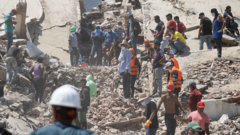
Earthquake Aftermath Creates Crisis for Venezuelan Communities
The earthquake aftermath in Venezuela has created an unprecedented humanitarian crisis as thousands of residents are left without adequate assistance following devastating seismic activity. In the most affected regions, community members are mobilizing with improvised tools and determination to locate survivors trapped beneath rubble and damaged infrastructure.
The earthquake aftermath situation has deteriorated rapidly, with residents from various neighborhoods reporting limited access to emergency services and rescue operations. Local authorities acknowledge that the magnitude of destruction has overwhelmed existing resources, leaving many families to organize their own rescue and recovery efforts independent of coordinated government intervention.
Grassroots Rescue Operations Emerge
Across devastated neighborhoods, spontaneous rescue operations have begun as concerned citizens and family members of missing persons take matters into their own hands. Using whatever tools are available—including crowbars, pickaxes, and shovels—volunteers are carefully removing debris from collapsed residential structures and commercial buildings.
These grassroots rescue efforts represent both the resilience of affected communities and the desperate need for organized disaster relief. Workers operate without specialized equipment or formal training, risking their own safety to reach potential survivors. The dangerous conditions include unstable building remnants, exposed electrical wiring, and structural hazards that could cause secondary collapses.
Infrastructure Damage Assessment
Initial damage assessments indicate widespread destruction across multiple residential zones. Healthcare facilities have suffered significant structural damage, complicating emergency medical response capacity precisely when demand for medical services is greatest. Schools, government buildings, and commercial establishments have sustained varying degrees of harm, disrupting essential services.
Communication Challenges
Damaged telecommunications infrastructure has severed communication networks, preventing affected families from contacting loved ones and coordinating rescue operations effectively. This communication breakdown has intensified anxiety among relatives searching for missing family members across different regions.
Resource Shortages
Medical supplies, clean water, and emergency provisions remain critically scarce in affected areas. Hospitals operating with limited capacity struggle to accommodate the influx of injured patients, while temporary shelters accommodate displaced residents without adequate sanitation facilities or food supplies.
Community Response and Resilience
Despite the challenging circumstances, Venezuelan communities have demonstrated remarkable solidarity and organizational capacity. Neighbors coordinate search efforts, share information about missing persons, and pool available resources to support vulnerable populations including children, elderly residents, and individuals with medical conditions.
Local religious organizations and community centers have established informal coordination points where residents gather to share updates, request assistance, and organize relief distribution. These grassroots networks provide crucial psychological support and practical assistance when formal emergency systems prove insufficient.
Government Response Status
Government emergency services have deployed available personnel and equipment to assist rescue operations, though capacity limitations restrict the scale of coordinated response. Officials have appealed to international humanitarian organizations for technical expertise and specialized rescue equipment.
Long-term Recovery Outlook
The earthquake aftermath will require sustained reconstruction efforts extending far beyond immediate emergency response. Structural engineers must assess damaged buildings before safe reoccupancy can be authorized. Infrastructure restoration, including water systems, electrical networks, and transportation corridors, demands significant investment and planning.
Mental health support services remain largely unavailable for traumatized survivors processing loss and displacement. Educational disruption will affect thousands of students unable to attend damaged schools during the rebuilding period.
International Support Considerations
International humanitarian organizations are monitoring the situation and preparing assistance protocols. However, logistical challenges and access limitations may delay effective delivery of specialized rescue equipment and medical supplies to affected communities.
The earthquake aftermath underscores the vulnerability of communities with limited disaster preparedness infrastructure and emergency response capacity. As recovery efforts continue, documenting lessons learned will inform future disaster management planning and resource allocation strategies throughout the region.


