
Carney Denounces Trump's New Tariffs as Strategic Error Amid Trade Negotiations Collapse
Canada's PM Mark Carney criticizes Trump's fresh tariffs as a miscalculation, announcing retaliatory measures after trade discussions fail.
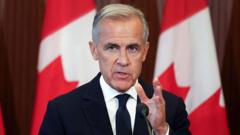
Carney's Response to Trump's Tariffs Miscalculation
Canada's Prime Minister Mark Carney has firmly characterized Trump's latest tariffs as a significant miscalculation, responding to the escalating trade tensions between the two nations. The declaration came as Carney announced a series of retaliatory tariffs, marking a critical moment in the deteriorating trade relationship between Washington and Ottawa.
Speaking from Parliament Hill, Carney expressed his reluctance in moving forward with the protective measures, yet emphasized that Canada had no alternative given the circumstances. The Prime Minister argued that the United States had deliberately initiated hostilities in what many observers are calling an unprecedented trade war between the neighboring countries.
The Collapse of Trade Negotiations
The breakdown of trade talks between the two nations represents a dramatic shift in bilateral relations. Previous discussions aimed at resolving disputes and establishing mutually beneficial agreements have now reached an impasse. The failure to reach consensus has left policymakers on both sides grappling with the economic implications of sustained tariff warfare.
Carney's decision to implement retaliatory measures reflects growing frustration with the Trump administration's approach to trade policy. The Canadian government has maintained that its position remains grounded in protecting national interests while preserving the broader economic partnership with the United States.
Canada's Tariff Response Strategy
The retaliatory tariffs announced by Carney target specific American products, strategically chosen to demonstrate resolve while minimizing domestic economic disruption. Canadian officials have indicated that the measures are proportionate to the actions taken by the United States, designed to send a clear message regarding trade fairness.
Industry analysts suggest that the tariff escalation could have far-reaching consequences for businesses operating across the Canada-US border. Supply chains, already stressed by recent global disruptions, face additional uncertainty as both nations implement trade barriers.
International Trade Implications
The deterioration of Canada-US trade relations raises broader questions about the stability of North American commerce. Other trading partners are monitoring the situation closely, concerned about potential spillover effects on their own economic relationships with both nations.
Experts have warned that prolonged tariff warfare could undermine consumer confidence and business investment on both sides of the border. The economic cost of these trade tensions extends beyond immediate tariff revenue to include potential job losses and reduced competitiveness in key sectors.
Political and Economic Context
Trump's decision to impose fresh tariffs comes amid broader shifts in American trade policy. The administration has signaled its intention to pursue a more protectionist agenda, prioritizing domestic manufacturing over traditional free trade principles.
Carney has positioned Canada's response as necessary self-defense, emphasizing that the nation cannot stand idle while facing what he characterizes as economic aggression. The Prime Minister's firm stance reflects domestic political pressure to protect Canadian workers and businesses from unfair trade practices.
Looking Forward
As negotiations remain stalled, both governments face pressure from businesses and workers dependent on cross-border trade. The path toward resolution remains uncertain, with both sides entrenched in their positions regarding fair trade practices and economic sovereignty. The coming weeks will prove critical in determining whether diplomatic channels can be reopened or whether escalation becomes the new normal in Canada-US trade relations.


