
Burnham Dismisses Early Election Plans as PM
Burnham rules out calling early election as Prime Minister, pledging to uphold 2024 Labour manifesto commitments during his tenure.
Burnham Dismisses Early Election Plans as PM
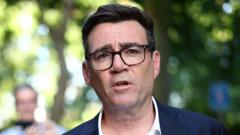
The incoming Prime Minister has firmly ruled out calling an early election as he prepares to take office this month, signaling his commitment to maintaining stability within the government. Burnham's decision to dismiss speculation about an early election demonstrates his intention to focus on implementing existing party commitments rather than seeking a fresh mandate from voters during his initial term in power.
Newly Elected MP Prepares for Leadership Role
The newly elected Member of Parliament representing Makerfield is set to assume the position of Prime Minister within the coming weeks. This transition marks a significant moment in British politics as the representative from the northwest constituency takes on the nation's highest executive office, following his recent electoral success in securing his parliamentary seat.
Commitment to Labour Manifesto Pledges
Burnham has explicitly stated his intention to remain bound by the 2024 Labour manifesto throughout his premiership. Rather than pursuing an early election as PM, he intends to dedicate his tenure to delivering on the promises outlined in the party's election campaign platform. This commitment reflects his understanding that the electorate has already expressed its preference through the recent general election results.
The manifestation of this pledge represents a strategic choice to build public confidence through action and delivery on established policy objectives. By refusing to call an early election, Burnham aims to provide continuity and demonstrate that the Labour government can be trusted to follow through on its electoral promises without seeking unnecessary additional votes.
Political Stability and Governance Strategy
The decision to rule out an early election as PM underscores Burnham's commitment to political stability during a period of significant change in British leadership. His approach prioritizes continuity over disruption, suggesting that the new administration will focus on executing its agenda rather than engaging in prolonged electoral campaigns that could distract from governance priorities.
This stance also reflects broader considerations about the costs of frequent elections, both in financial terms and in terms of public engagement fatigue. By committing to the full parliamentary term, Burnham signals that his government intends to create an environment where policy implementation can proceed without the constant backdrop of electoral uncertainty.
Makerfield's Representative at the Helm
The election of Burnham as MP for Makerfield has positioned him at the forefront of national leadership. His constituency, located in the northwest of England, will now be represented by the nation's Prime Minister, a distinctive position that bridges local constituency interests with national governance responsibilities.
The role of serving as both a local MP and the country's leading executive presents unique challenges and opportunities. Burnham's election victory in Makerfield suggests strong support from his constituent base, providing him with a solid foundation as he assumes his new responsibilities at the national level.
Policy Direction and Electoral Mandate
With his refusal to call an early election as PM, Burnham is signaling a clear policy direction focused on substantive governance rather than electoral positioning. The 2024 Labour manifesto will serve as the blueprint for his administration's activities, ensuring that the party's campaign promises translate into concrete legislative and policy achievements.
This approach emphasizes the democratic legitimacy of the recent election results and the clear expression of voter preference contained within them. Rather than seeking to renew or refresh this mandate through additional electoral contests, the new Prime Minister intends to demonstrate his government's effectiveness through the successful implementation of manifesto commitments.
The coming months will be critical in establishing whether Burnham's government can deliver on its promises while maintaining the political stability necessary for effective governance. His decision to rule out an early election as PM represents a foundational commitment to this approach, setting the tone for his administration's relationship with Parliament and the electorate.


