
Bolivia's President Declares Emergency Over Protest Crisis
Bolivia's president declares state of emergency amid weeks of anti-government protests causing severe shortages of basic goods across the nation.
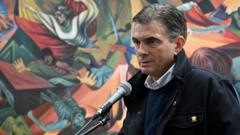
Bolivia's President Declares State of Emergency
Bolivia's state of emergency represents a critical response to escalating civil unrest that has gripped the South American nation. The declaration emerged following extensive weeks of anti-government protests that have systematically disrupted supply chains and created widespread shortages of essential commodities throughout the country.
Context Behind the Declaration
The situation intensified as Bolivia faced mounting pressure from organized demonstrations challenging government policies and leadership. What began as localized grievances evolved into a nationwide movement that prompted authorities to invoke emergency measures as a last resort to restore order and stability.
Impact on Citizens and Supply Chains
The anti-government protests in Bolivia have triggered a cascade of economic disruptions, leaving ordinary citizens struggling to access fundamental necessities. Shortages of basic goods have become increasingly severe, affecting food supplies, fuel availability, and medical resources across urban and rural regions alike.
Food and Fuel Shortages
Communities throughout Bolivia have experienced acute difficulties in obtaining regular food items and fuel for transportation. Markets have been disrupted by roadblocks and transportation restrictions linked to protest activities, creating humanitarian concerns as vulnerable populations face hardship accessing vital resources.
Healthcare and Medical Supply Concerns
The Bolivia shortage crisis has extended into the healthcare sector, where hospitals and clinics report difficulties in obtaining necessary medications and medical supplies. This dimension of the crisis adds significant urgency to efforts aimed at resolving the underlying tensions fueling the demonstrations.
Government Response and Emergency Measures
The state of emergency declaration reflects the administration's determination to reassert governmental authority and mitigate the humanitarian consequences of prolonged civil unrest. Emergency protocols are designed to facilitate the restoration of essential services while addressing security concerns arising from increasingly volatile protest dynamics.
Military and Security Deployment
Authorities have mobilized security forces to maintain order and safeguard critical infrastructure. These measures aim to protect supply routes and prevent further deterioration of an already strained situation affecting millions of Bolivians.
Political Dimensions of the Crisis
The protests represent significant political challenges for the Bolivian administration, reflecting deeper divisions within society regarding governance priorities and resource distribution. The movement's persistence suggests fundamental disagreements about national direction that extend beyond immediate economic grievances.
International Perspective
Regional observers closely monitor developments in Bolivia, recognizing the nation's strategic importance within South America. International attention focuses on whether emergency measures will facilitate dialogue between government and protest organizers or deepen existing polarization.
Looking Forward
The path forward for Bolivia requires addressing both immediate security concerns and underlying causes motivating popular discontent. Successful resolution will likely demand comprehensive dialogue addressing citizen demands while ensuring governmental legitimacy and public confidence.


