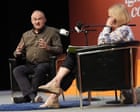
Andy Burnham Set to Lead UK After Starmer Steps Down
Andy Burnham poised to become next PM as Keir Starmer resigns under pressure. Labour faces cabinet reshuffle with Miliband and Streeting in contention.
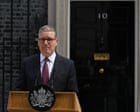
Starmer Announces Departure Amid Labour Party Turmoil
Andy Burnham is positioned to become the next prime minister of the United Kingdom following Keir Starmer's decision to step down from his role as British prime minister. The announcement came after mounting pressure from Labour MPs and cabinet ministers who expressed concerns about the party's direction and electoral prospects against the rising threat from Reform UK.
The resignation of Keir Starmer marks a significant turning point in British politics, with Andy Burnham virtually assured of succession to the position. Starmer acknowledged that he was no longer the appropriate leader to guide the country forward, paving the way for a new chapter in Labour's governance. The political landscape at Westminster experienced unprecedented turbulence as senior party officials and backbenchers united in demanding leadership change.
Andy Burnham's Policy Agenda and Strategic Vision
The former Greater Manchester mayor is preparing to unveil his strategic priorities through a comprehensive series of policy speeches scheduled for the coming weeks. Andy Burnham's initial focus will concentrate on two critical areas: economic policy and devolution, signaling a deliberate departure from the approach championed by the outgoing administration.
These speeches are designed to demonstrate clear ideological differentiation and establish Burnham's distinct leadership philosophy. The emphasis on devolution reflects his background as a regional leader and his commitment to devolving greater powers to local authorities outside Westminster. Economic policy represents another cornerstone, with plans to challenge conventional Treasury thinking and propose alternative approaches to fiscal management.
Chancellor Appointment and Cabinet Considerations
Discussions surrounding Andy Burnham's potential cabinet appointments have generated considerable speculation within political circles. Ed Miliband is being considered as a possible chancellor, a move that would represent a significant ideological shift in Treasury policy. Such an appointment would fundamentally challenge established economic orthodoxy and signal a more progressive fiscal stance.
However, sources indicate that Burnham remains undecided regarding Miliband's appointment, fully aware of potential complications with business communities and trade unions who harbor reservations about such a choice. The political calculations are delicate, requiring careful consideration of market confidence and broader stakeholder reactions.
Cabinet Positions and Key Personnel
Shabana Mahmood, the current Home Secretary, is anticipated to retain her position within the new administration. Burnham has previously commended Mahmood's approach to immigration policy, particularly her willingness to confront challenging issues during recent electoral campaigns. This continuity suggests confidence in her management of domestic security and immigration matters.
Wes Streeting represents another significant figure in cabinet deliberations. The former health secretary could potentially secure one of the government's top ministerial positions, though some observers propose his appointment as chancellor to provide reassurance to financial markets. Campaign sources have disputed suggestions that Streeting possesses sufficient parliamentary support to mount an independent leadership challenge, dismissing claims of leverage in ongoing discussions.
Potential Opposition and Leadership Contest Dynamics
Starmer loyalists continue searching for a credible candidate willing to contest Andy Burnham's virtually unopposed path to the premiership. Such a candidacy would likely depend on cabinet composition decisions, particularly whether Miliband assumes the chancellorship role.
Darren Jones has been mentioned as a potential alternative candidate, though sources reported he is not actively organizing a leadership campaign. Notably, those same sources declined to provide categorical denials regarding his intentions, leaving some uncertainty about the possibility of a contested leadership race.
Broader Implications for Labour and British Politics
The transition from Keir Starmer to Andy Burnham represents a pivotal moment for the Labour Party and the broader political landscape. The resignation occurs against a backdrop of internal dissatisfaction and external electoral pressures, with Reform UK's growing influence among voters driving urgent demands for renewed direction within Labour's ranks.
Andy Burnham's ascendancy promises a recalibrated approach to governance, emphasizing regional devolution, economic policy reform, and a departure from Starmer's tenure. The incoming administration will need to rebuild confidence among party members, parliamentary colleagues, and the electorate while navigating complex economic and social challenges. The appointment decisions made over coming days will significantly influence how this transition unfolds and shape Labour's trajectory in the period leading toward the next general election.