5-Year-Old's Fatal Fall: London Tower Safety Gaps Revealed
Inquest reveals safety inadequacies in London tower flat where autistic child fell from 15th floor. Family had previously requested relocation.
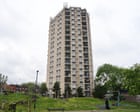
Tragic Incident Exposes Building Safety Deficiencies
An official inquest has brought to light significant tower block safety measures that could have prevented a devastating tragedy in southeast London. Aalim Ahmed, a five-year-old autistic child, lost his life after falling from a 15th-floor kitchen window at a residential tower block located in Plaistow, east London. The investigation revealed that additional protective measures could have substantially reduced the risks present in the family's temporary accommodation.
The incident occurred on the morning of May 16, 2024, when Aalim's father, Makail Ahmed, discovered his son's body shortly before 6am. The family had been residing in the tower block as temporary social housing while awaiting permanent accommodation. Prior to the fatal incident, the family had formally requested reassignment to alternative housing, citing concerns about the suitability of their living environment.
Understanding the Circumstances of the Fall
Aalim Ahmed's condition as an autistic child made him particularly vulnerable to accidents within the home environment. The kitchen window from which he fell presented an unrestricted opening that lacked adequate protective barriers. According to testimony presented during the inquest proceedings, the window configuration did not include safety features that are now commonly recognized as essential in properties housing families with young children or individuals with additional support needs.
The residential block in Plaistow had not implemented comprehensive safeguarding protocols that might have prevented unsupervised access to windows at dangerous heights. This oversight became particularly critical given Aalim's neurological condition, which affected his understanding of danger and impulse control. Experts indicated during the inquest that standard window restrictors, safety locks, and protective grilles represent basic precautions that should be standard in tower block flats housing vulnerable occupants.
Safety Gaps in Temporary Housing Provisions
The inquest highlighted troubling gaps between current building safety standards and the actual conditions maintained in temporary social housing properties. Temporary accommodation providers face significant pressure to manage large numbers of families, yet this operational challenge does not excuse inadequate safety measures. The testimony presented demonstrated that the local authority and housing provider had failed to conduct thorough risk assessments specific to the needs of families with disabled children.
Tower block safety measures require particular attention when residents include young children or individuals with complex needs. Window restrictors that allow ventilation while preventing full opening represent a cost-effective intervention that could have altered the outcome. Safety locks installed on kitchen windows are standard practice in many residential settings but were notably absent from this property.
The Family's Previous Concerns
Significantly, the family's prior requests for relocation had signaled their concerns about the property's suitability. Rather than treating these requests as indicators of potential risk factors, the housing system apparently processed them through standard administrative channels without expedited action. This gap between complaint receipt and responsive action contributed to the circumstances that ultimately led to the tragedy.
The inquest revealed that families living in temporary accommodation often have limited leverage to advocate for improved conditions. The flat had been assigned as a temporary solution, yet the family remained housed there for an extended period without meaningful progress toward permanent accommodation. During this interim period, no comprehensive safety audit appears to have been conducted to identify and remediate hazards specific to a young autistic child's presence.
Implications for Housing Safety Standards
The inquest findings have broader implications for housing safety protocols across London and beyond. Residential properties, particularly those housing vulnerable populations, require mandatory safety assessments that identify risks associated with height, access to dangerous areas, and unsecured openings. Tower block safety measures should include standardized interventions such as:
Mandatory window restrictors on all residential units above the third floor; Safety assessments for households including disabled children or individuals with support needs; Regular inspection protocols to ensure security devices remain functional; Clear procedures for escalating maintenance concerns raised by residents; Training for housing staff on recognizing environmental hazards specific to vulnerable populations.
Moving Forward: Preventing Future Tragedies
The inquest's findings underscore the necessity for systemic improvements in how social housing providers manage safety within tower block environments. Aalim Ahmed's death represents not merely an individual tragedy but a preventable incident that exposed institutional failures. His family's previous requests for relocation should have triggered comprehensive safety reviews rather than routine administrative processing.
Building safety regulations continue to evolve following various high-profile incidents affecting residential towers. However, these formal regulatory changes must be complemented by practical, proactive safety measures implemented within existing housing stock. Tower block safety measures need not be prohibitively expensive; many effective interventions involve straightforward installations that dramatically reduce risk.
The inquest concluded with recommendations designed to prevent similar occurrences. Housing authorities, temporary accommodation providers, and local councils must prioritize the implementation of evidence-based safety measures in properties housing children and vulnerable adults. Regular training for staff, comprehensive risk assessment protocols, and rapid response mechanisms for resident complaints represent fundamental requirements for responsible property management.