

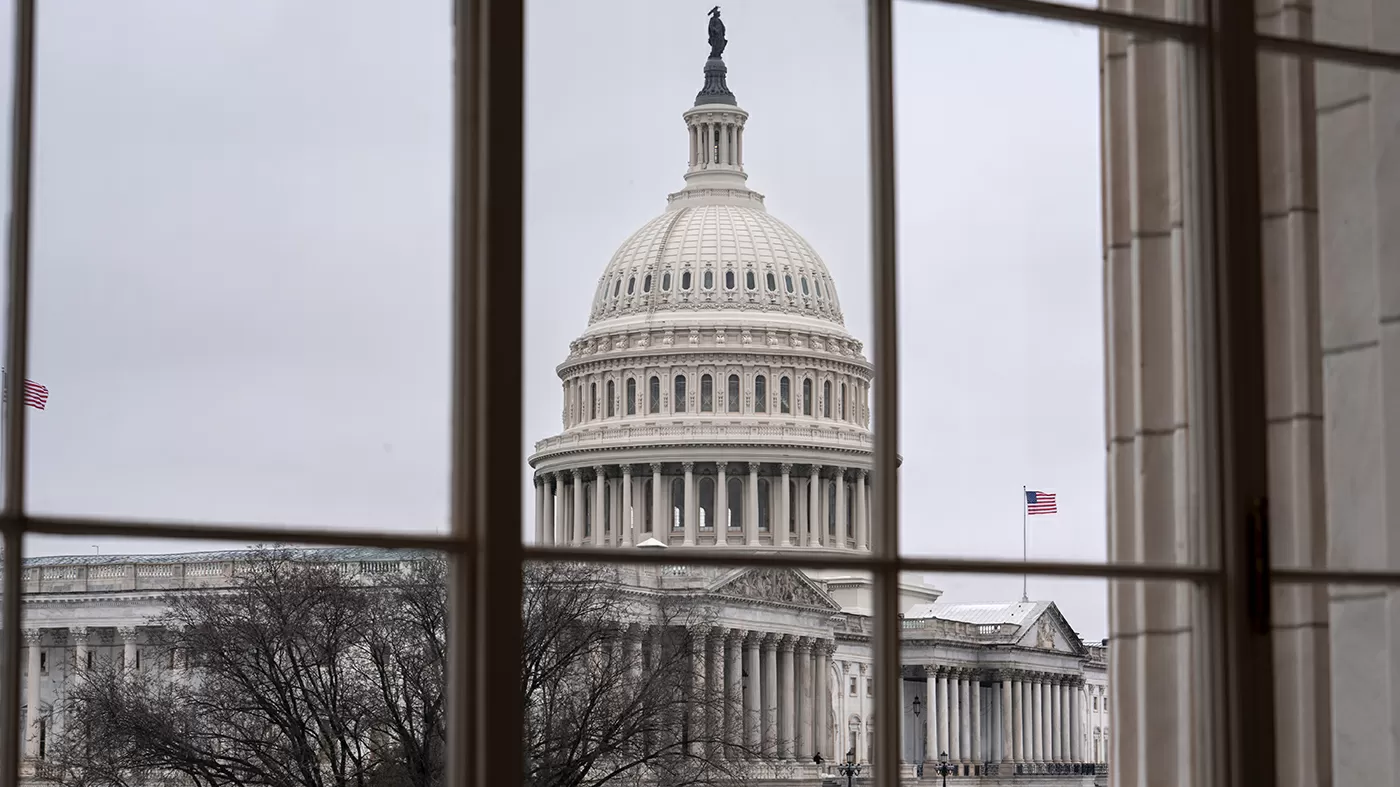
Attorneys General Across the Country Urge Congressional Leaders to Protect States’ Ability to Regulate Artificial Intelligence
In a joint effort to safeguard the well-being of the American people, nearly 40 attorneys general from across the country have united to voice their concerns about a potential ban on states’ ability to enact artificial intelligence (AI) laws. In a Tuesday letter addressed to congressional leaders, the attorneys general urged them to reject such a ban, citing the potential risks AI poses, particularly for vulnerable populations such as children.
While AI holds great promise and potential to revolutionize multiple industries, it also presents significant risks that cannot be ignored. As such, the attorneys general emphasized the need for states to have the authority to regulate this rapidly advancing technology in order to protect their citizens.
One of the key concerns highlighted in the letter is the potential harm AI can cause to children. As the use of AI becomes more prevalent in schools, the attorneys general stressed the need for states to have the power to regulate its use in the education system. Without the ability to do so, our children could be put at risk of discrimination, bias, and potential violations of their privacy.
Furthermore, the attorneys general also pointed out the potential dangers of AI in other areas such as healthcare and criminal justice. In healthcare, AI is being utilized to make life-altering decisions for patients, but without proper state regulation, there is a possibility of misdiagnoses or biased treatment. In the criminal justice system, AI algorithms can be used to determine the outcome of trials and sentencing, but without proper oversight, there is a risk of perpetuating existing biases and injustices.
It is clear that the use of AI must be closely monitored and regulated in order to protect the rights and well-being of all individuals, especially those who are most vulnerable. The attorneys general highlighted the fact that states are already taking steps to address these concerns, with some passing legislation to regulate the use of AI in their respective jurisdictions. However, a ban on states’ ability to do so would hinder their efforts and could potentially lead to further harm.
In their letter, the attorneys general also stressed the need for collaboration between federal and state governments in regulating AI. They acknowledged the challenges of regulating a technology that is constantly evolving and emphasized the importance of continued communication and cooperation between all levels of government.
Furthermore, the attorneys general emphasized that allowing states to regulate AI does not mean hindering its development. Instead, it allows for responsible and ethical innovation that takes into consideration the potential risks and impacts on society.
In conclusion, the joint effort of nearly 40 attorneys general across the country to urge congressional leaders to reject a ban on states’ ability to enact AI laws is a testament to their dedication to protecting the well-being of all individuals. It is vital that states have the power to regulate this rapidly advancing technology in order to ensure its responsible development and protect the rights and safety of their citizens, especially the most vulnerable among us. We must all work together to strike a balance between innovation and regulation to create a better and safer future for all.
