

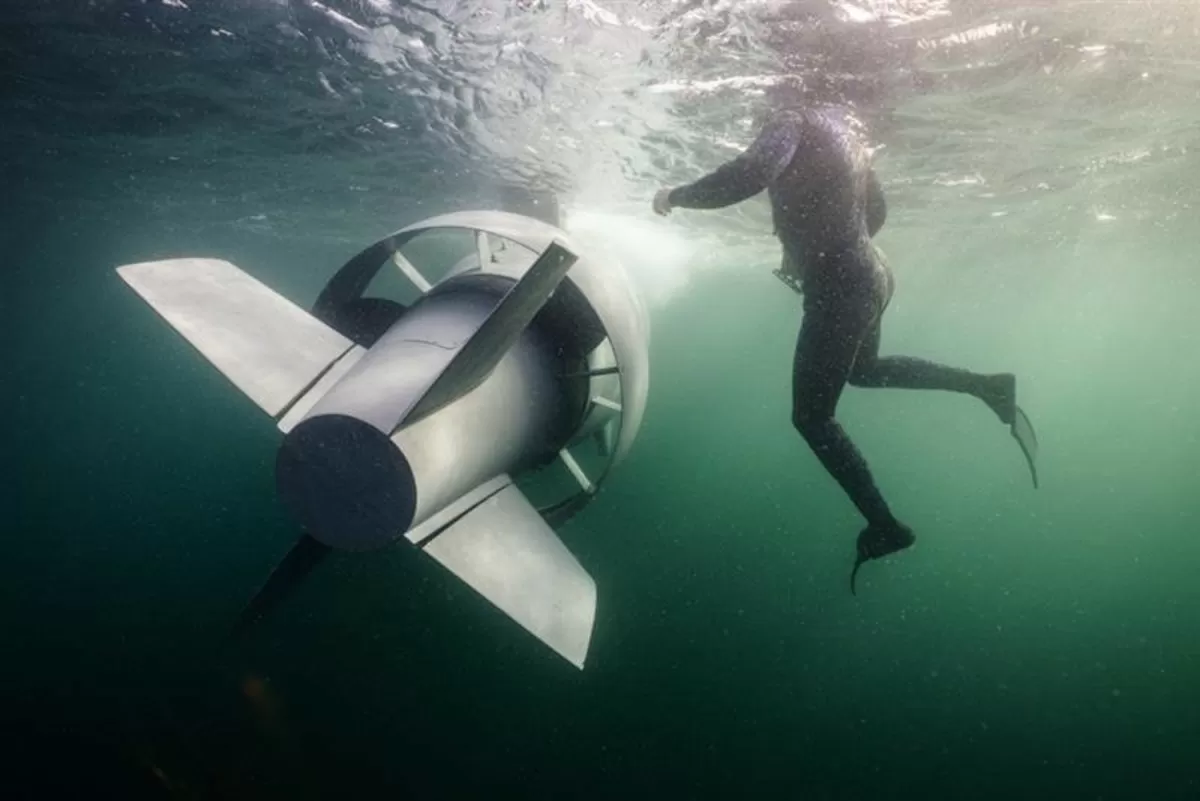
Rapid-Pace Drone Innovation Across NATO and Beyond: A Result of the War in Ukraine
In recent years, drones have become an increasingly common sight in military operations across the world. These unmanned aerial vehicles (UAVs) have revolutionized modern warfare, providing unprecedented capabilities and offering a new level of efficiency and precision. While drone technology has been around for decades, it is the ongoing war in Ukraine that has spurred on rapid-pace innovation across NATO and beyond.
The war in Ukraine, which began in 2014, has proven to be a testing ground for countries and their militaries. The use of drones in this conflict has been crucial in gaining a tactical advantage over the enemy, and this has led to a surge in the development and deployment of advanced drone technology. This has not only benefited the warring parties in Ukraine but has also had a significant impact on the entire global defense industry.
One of the main reasons for the rapid-pace drone innovation across NATO and elsewhere is the unique nature of the war in Ukraine. Unlike traditional conflicts, this war has been fought in an urban environment, with both sides employing guerilla tactics. This has made it difficult for ground troops to gain control of the territory, and drones have emerged as the perfect solution. These aerial vehicles can easily navigate through narrow streets and provide real-time intelligence, giving troops on the ground a significant advantage.
The success of drones in the war in Ukraine has caught the attention of defense leaders across NATO and other countries. They have realized the immense potential of these machines and have been investing heavily in their research and development. As a result, we have seen a rapid increase in the number of drone technology startups, as well as established defense companies, working on innovative solutions to enhance the capabilities of these unmanned machines.
One of the key areas of focus for drone innovation has been in the field of artificial intelligence (AI). With advancements in AI technology, drones are now equipped with the ability to fly autonomously, making them even more efficient and reducing the need for human control. This has not only increased their effectiveness in military operations but has also made them more cost-effective.
Moreover, the war in Ukraine has also led to the development of specialized drones for specific tasks. For instance, we now have drones that can detect and disarm improvised explosive devices (IEDs), reducing the risk for soldiers in the field. There are also drones equipped with high-resolution cameras and other sensors that can gather intelligence and provide valuable data for decision-making.
Furthermore, the use of drones has also expanded beyond military applications. In recent years, we have seen an increase in the use of drones for search and rescue operations, disaster response, and even delivery services. This has opened up a whole new market for drone technology and has provided opportunities for businesses to explore the potential of these machines in various fields.
The war in Ukraine has also led to increased cooperation and collaboration among NATO countries and their defense industries. The sharing of information and resources has accelerated the pace of drone innovation, as countries work together to develop cutting-edge technology. This has also resulted in a more cost-effective approach, as the burden of research and development is shared among multiple nations.
In conclusion, the war in Ukraine has been a catalyst for rapid-pace drone innovation across NATO and beyond. It has highlighted the potential of these machines in modern warfare and has led to increased investments in research and development. With new advancements and collaborations, we can expect to see even more sophisticated and efficient drones in the near future. The war in Ukraine may have brought destruction and devastation, but it has also resulted in positive outcomes, paving the way for a new era of drone technology.
