

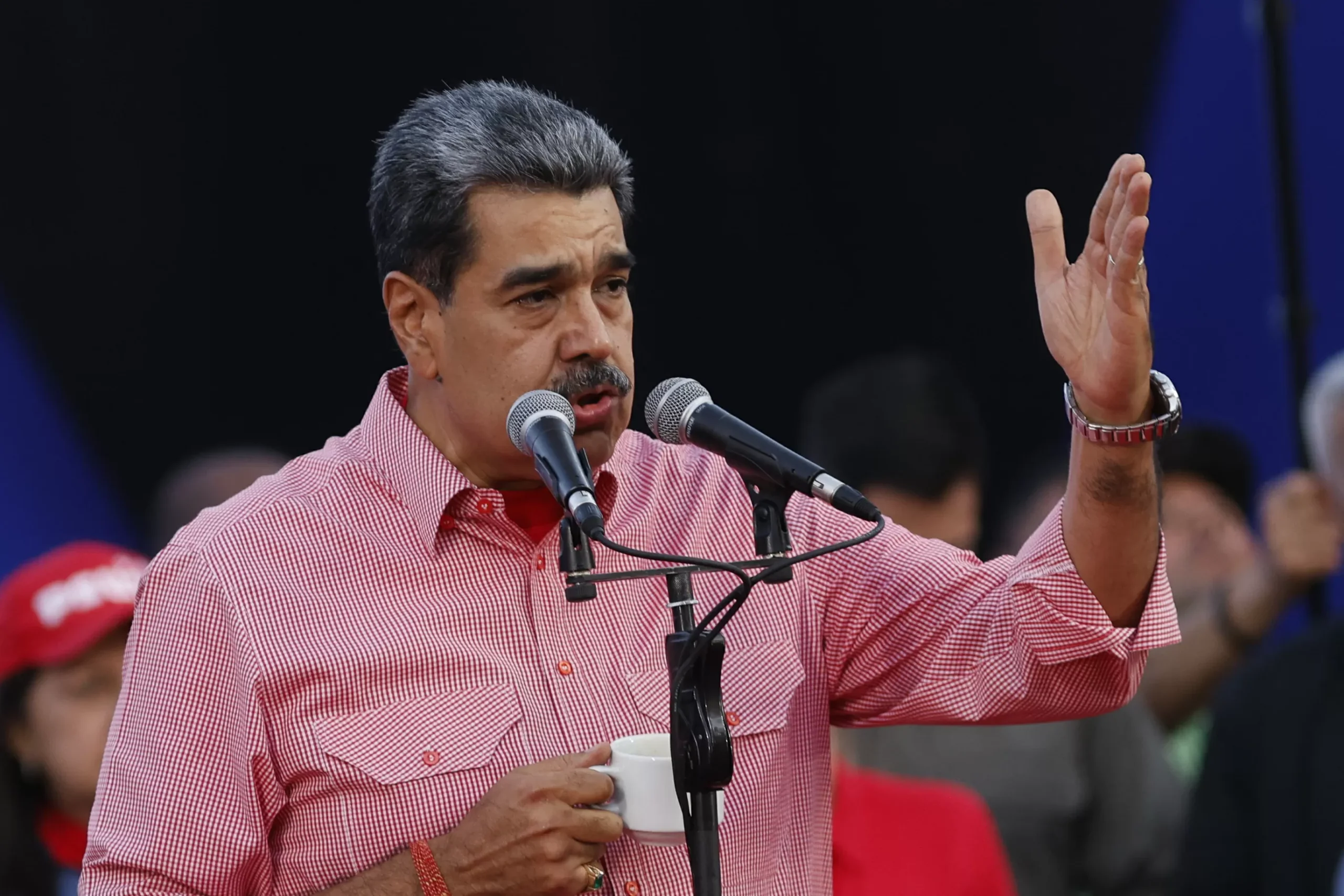
The political landscape in Latin America has been fraught with tension in recent months, and the latest development is the administration’s consideration of potential military action against Venezuelan President Nicolas Maduro. This news has sparked a great deal of discussion and debate, with many wondering about the implications of such a move. Let us take a closer look at the situation and what it means for the region.
The current situation in Venezuela is dire, with the country facing a severe economic crisis and widespread political unrest. President Maduro’s authoritarian regime has been accused of human rights violations and corruption, leading to widespread protests and international condemnation. The United States, along with several other countries, has recognized opposition leader Juan Guaido as the legitimate interim president of Venezuela. However, Maduro has refused to step down, leading to a political stalemate.
In light of these developments, the administration has been considering military action as a potential solution to the crisis in Venezuela. This has raised concerns among some, who fear that such a move could escalate the situation and lead to further instability in the region. However, it is essential to understand that this consideration is not a knee-jerk reaction but a carefully thought out strategy to address the ongoing crisis in Venezuela.
The administration’s consideration of military action is a clear indication of its commitment to promoting democracy and human rights in the region. It is a strong message to Maduro and other authoritarian leaders that the United States will not stand by and watch as their citizens suffer under oppressive regimes. The administration’s stance is a testament to its unwavering support for the people of Venezuela and their struggle for freedom and democracy.
Moreover, the potential military action is not an isolated incident but part of a broader strategy to address the crisis in Venezuela. The United States has been working closely with its allies in the region to increase pressure on Maduro’s regime through economic sanctions and diplomatic efforts. However, these measures have not yielded the desired results, and the administration believes that military action may be necessary to bring about a resolution.
It is also crucial to note that the administration has not taken this decision lightly. The potential consequences of military action have been carefully considered, and all efforts are being made to minimize any potential harm to civilians. The United States has a long history of responsible military intervention, and any action taken in Venezuela will be in line with international law and with the utmost regard for human rights.
The consideration of military action against Maduro’s regime is a clear indication that the United States will not tolerate the violation of human rights and the suppression of democracy in the region. It is a strong message to other authoritarian leaders that their actions will have consequences, and the United States will not hesitate to take action to protect the rights and freedoms of the people.
In conclusion, the administration’s consideration of potential military action against Maduro is a necessary step in addressing the crisis in Venezuela. It is a clear demonstration of the United States’ commitment to promoting democracy and human rights in the region. The potential consequences of such action have been carefully considered, and all efforts will be made to minimize any harm to civilians. Let us hope that this move will bring about a peaceful resolution to the crisis in Venezuela and pave the way for a brighter future for its people.
