

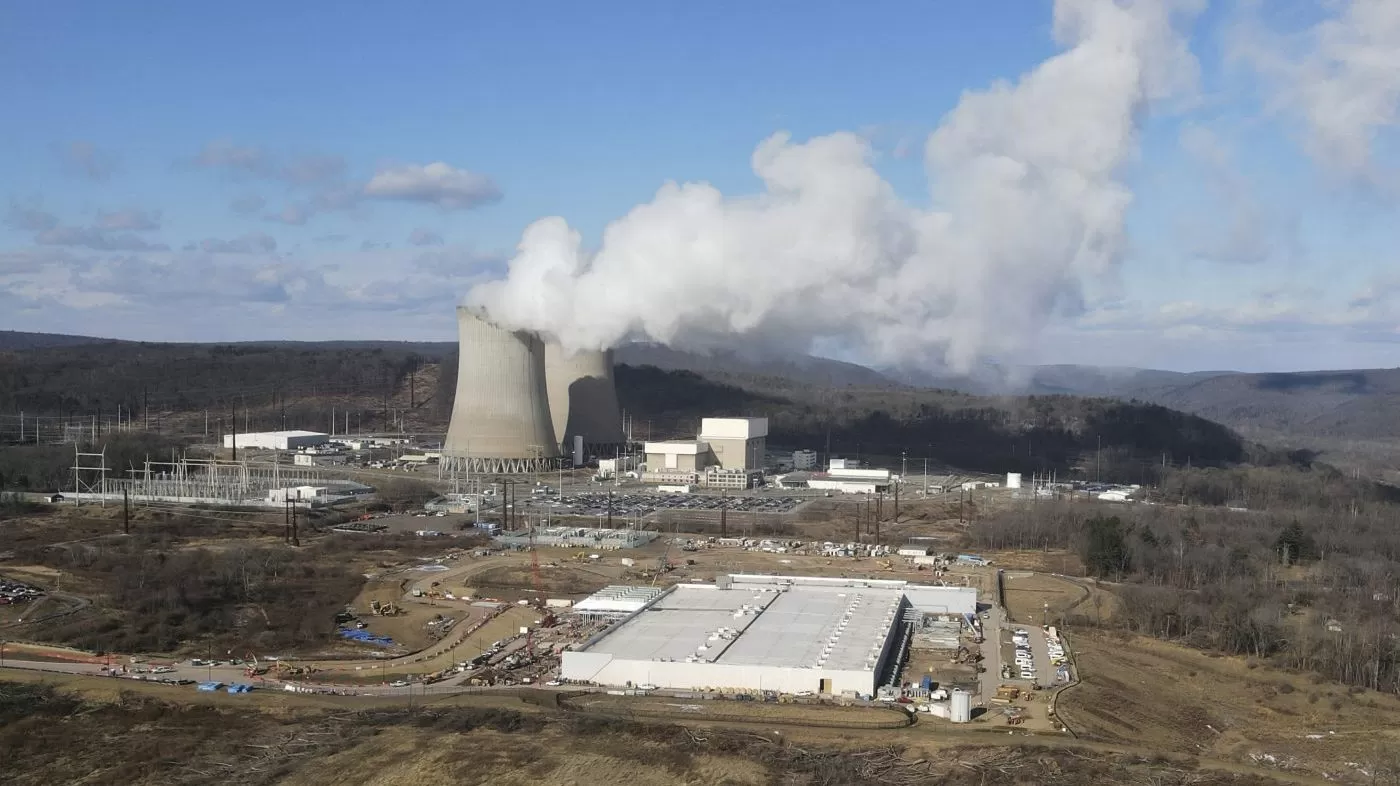
At least 16 data center projects, worth a combined $64 billion, have been blocked or delayed due to local opposition, according to a new study conducted by Data Center Watch. The research reveals that residents and politicians in seven states have halted or postponed the development of these crucial facilities. One such case is in Arizona’s West Valley, where a data center project is facing resistance from the community.
Data centers are essential infrastructures that store, manage, and distribute digital data for various organizations and businesses. They are the backbone of the digital world, providing the necessary support for online activities, cloud computing, and other technological advancements. However, despite their importance, data center projects are facing opposition from local communities.
The study by Data Center Watch highlights the growing trend of resistance towards data centers, with cases reported in Arizona, Texas, Virginia, and other states. The reasons for opposition vary, but common concerns include environmental impact, traffic congestion, and potential noise pollution. While these are valid concerns, it is essential to understand the benefits that data centers bring to the community.
Firstly, data centers create job opportunities, which is crucial in today’s economy. The development of a data center project can generate hundreds of jobs, ranging from construction workers to IT professionals. These jobs not only provide financial stability for individuals but also contribute to the overall growth of the community.
Moreover, data centers also bring significant economic benefits to the local economy. With the influx of new jobs, there is also an increase in consumer spending, leading to a boost in the local economy. The data center industry also attracts other businesses, such as technology companies, which further contributes to the economic growth of the community.
Data centers are also crucial for the advancement of technology and innovation. They provide the necessary infrastructure for new technologies to thrive, such as artificial intelligence, virtual reality, and the Internet of Things. By blocking or delaying data center projects, we are hindering the progress of these technological advancements and potentially missing out on the economic and societal benefits that come with them.
In the case of Arizona’s West Valley, the data center project has faced opposition from the community due to concerns about water usage and potential pollution. However, the project’s developers have addressed these concerns and have committed to using renewable energy sources and implementing sustainable water management practices. They have also assured the community that the data center will adhere to strict environmental regulations.
It is crucial for the community to have a transparent and open dialogue with data center developers to address any concerns and find mutually beneficial solutions. The data center industry is constantly evolving, and with advancements in technology, data centers are becoming more energy-efficient and environmentally friendly. By working together, we can ensure that data center projects are developed in a sustainable and responsible manner.
In conclusion, data centers play a vital role in our increasingly digital world, and their development should be welcomed, not opposed. While it is essential to address any concerns from the community, it is also crucial to acknowledge the benefits that data centers bring. They create jobs, stimulate economic growth, and pave the way for technological advancements. It is time for us to embrace data centers and work together towards a more sustainable and innovative future.
