

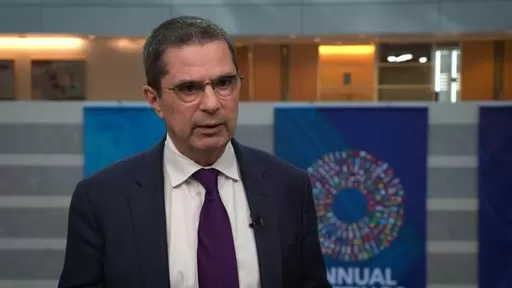
In the latest Fiscal Monitor report released by the International Monetary Fund (IMF), it has been projected that global public debt will rise above 100 percent of GDP by 2029. This is a concerning development, as it would mean that public debt would be at its highest level in history. However, instead of being discouraged by this projection, we should see it as an opportunity to take necessary measures to ensure sustainable economic growth and stability.
The IMF report highlights that the rise in global public debt is primarily due to the ongoing COVID-19 pandemic, which has caused a significant economic downturn worldwide. Governments around the world have had to increase their spending to support their citizens and economies, resulting in a sharp increase in public debt. This has been further exacerbated by the decline in tax revenues and the need for additional borrowing to finance stimulus packages.
While the increase in public debt is a cause for concern, it is essential to understand that it is a necessary measure to combat the economic fallout of the pandemic. The IMF has emphasized that governments must continue to provide support to their economies until the pandemic is under control. This includes measures such as income support for individuals and businesses, healthcare spending, and investment in infrastructure. These measures are crucial to ensure that the global economy can recover from the pandemic and return to a path of sustainable growth.
Moreover, the IMF report also highlights that the increase in public debt is not a universal phenomenon. Advanced economies, which have the fiscal space to borrow, have seen a more significant increase in public debt compared to emerging and developing economies. This is because advanced economies have been able to access international capital markets at lower interest rates, making it easier for them to borrow. On the other hand, emerging and developing economies, which have limited access to international capital markets, have had to rely on domestic borrowing, which comes at a higher cost.
In this scenario, it is crucial for governments to adopt a prudent and responsible approach towards managing their public debt. The IMF has stressed the need for governments to prioritize spending and ensure that it is directed towards productive investments that can generate long-term economic growth. This includes investments in education, healthcare, and infrastructure, which can boost productivity and create jobs. Additionally, governments must also focus on improving tax collection and reducing wasteful spending to ensure that public debt remains sustainable in the long run.
Furthermore, the IMF has also emphasized the need for international cooperation to address the issue of rising public debt. The pandemic has shown that global challenges require global solutions. Therefore, it is essential for countries to work together to find solutions that can help reduce the burden of public debt. This could include debt relief for low-income countries, coordinated fiscal policies, and support for developing countries to access international capital markets at lower interest rates.
In conclusion, while the IMF’s projection of global public debt rising above 100 percent of GDP by 2029 is a cause for concern, it is not a reason to lose hope. The increase in public debt is a necessary measure to combat the economic fallout of the pandemic, and governments must continue to provide support to their economies until the situation improves. However, it is also crucial for governments to adopt responsible fiscal policies and prioritize spending to ensure that public debt remains sustainable in the long run. Moreover, international cooperation is vital in finding solutions to address the issue of rising public debt. Let us see this projection as an opportunity to come together and build a stronger, more resilient global economy.
