

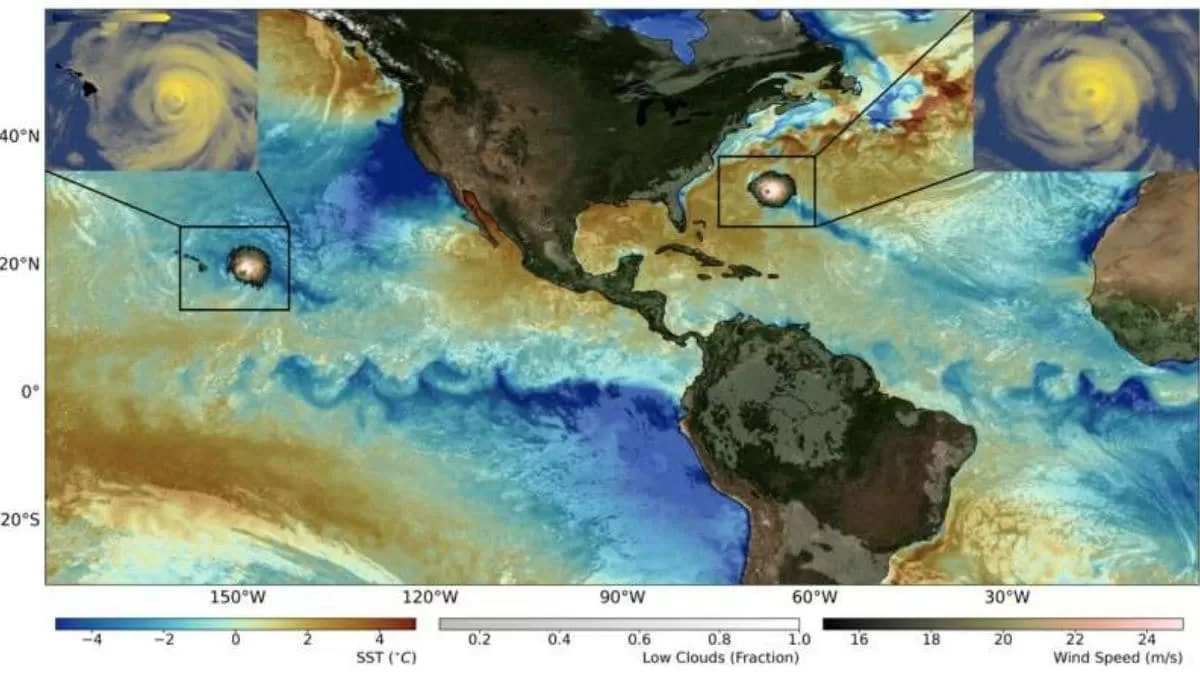
A recent study using a high-resolution climate model has revealed some alarming findings about the potential impact of a 1°C global temperature rise. The study, conducted by a team of international researchers, shows that this seemingly small increase in temperature could lead to a 5°C rise in Arctic temperatures and intensify rainfall extremes in regions like the Himalayas and Andes. These findings have significant implications for climate adaptation, disaster risk management, and infrastructure planning in vulnerable zones, including small islands and mountain communities.
The study, published in the journal Nature Climate Change, used a state-of-the-art climate model to simulate the effects of a 1°C temperature rise on different regions of the world. The results showed that the Arctic, which is already experiencing rapid warming, could see a further 5°C increase in temperature. This is more than four times the global average temperature rise and could have catastrophic consequences for the fragile Arctic ecosystem.
The Arctic is home to a diverse range of species, including polar bears, seals, and walruses, all of which are adapted to the cold temperatures. A 5°C increase in temperature could lead to the loss of sea ice, which is crucial for these animals’ survival. It could also have a ripple effect on the entire food chain, impacting the livelihoods of indigenous communities that rely on these species for their subsistence.
But the impact of a 1°C temperature rise is not limited to the Arctic. The study also found that regions like the Himalayas and Andes, which are already prone to extreme rainfall events, could see an intensification of these events. This could lead to devastating floods, landslides, and other natural disasters, putting millions of people at risk.
The Himalayas and Andes are home to some of the world’s most vulnerable communities, including small islands and mountain communities. These communities are already facing the brunt of climate change, with rising sea levels, melting glaciers, and changing weather patterns. The intensification of rainfall extremes could further exacerbate their vulnerability and make it even more challenging for them to adapt to the changing climate.
The study’s findings have significant implications for climate adaptation, disaster risk management, and infrastructure planning in these vulnerable zones. It highlights the urgent need for governments and policymakers to take action to mitigate the effects of climate change and protect these communities.
One of the key takeaways from the study is the importance of regional insights in climate adaptation and disaster risk management. The high-resolution climate model used in the study provided a detailed understanding of how a 1°C temperature rise could impact different regions of the world. This information is crucial for developing targeted adaptation strategies and disaster risk management plans that take into account the unique challenges faced by each region.
The study also underscores the need for urgent action to reduce greenhouse gas emissions and limit global temperature rise. The Paris Agreement, signed by 195 countries in 2015, aims to keep the global temperature rise well below 2°C and pursue efforts to limit it to 1.5°C. The findings of this study highlight the importance of achieving this goal and the dire consequences of failing to do so.
In addition to reducing emissions, the study also emphasizes the need for investment in climate adaptation and disaster risk management measures. This includes building resilient infrastructure, developing early warning systems, and providing support to vulnerable communities to help them adapt to the changing climate.
The study’s findings are a wake-up call for the world to take immediate and decisive action to address the climate crisis. It is a reminder that the consequences of inaction will be severe, particularly for the most vulnerable communities. But it also offers hope by providing vital regional insights that can guide policymakers in developing effective strategies to mitigate the effects of climate change.
In conclusion, the high-resolution climate model used in this study has revealed some alarming findings about the potential impact of a 1°C global temperature rise. It highlights the urgent need for action to reduce emissions, invest in climate adaptation and disaster risk management, and protect vulnerable communities. The study’s findings offer valuable regional insights that can guide policymakers in developing targeted strategies to address the climate crisis. It is now up to governments, businesses, and individuals to take action and ensure a sustainable future for our planet.
