

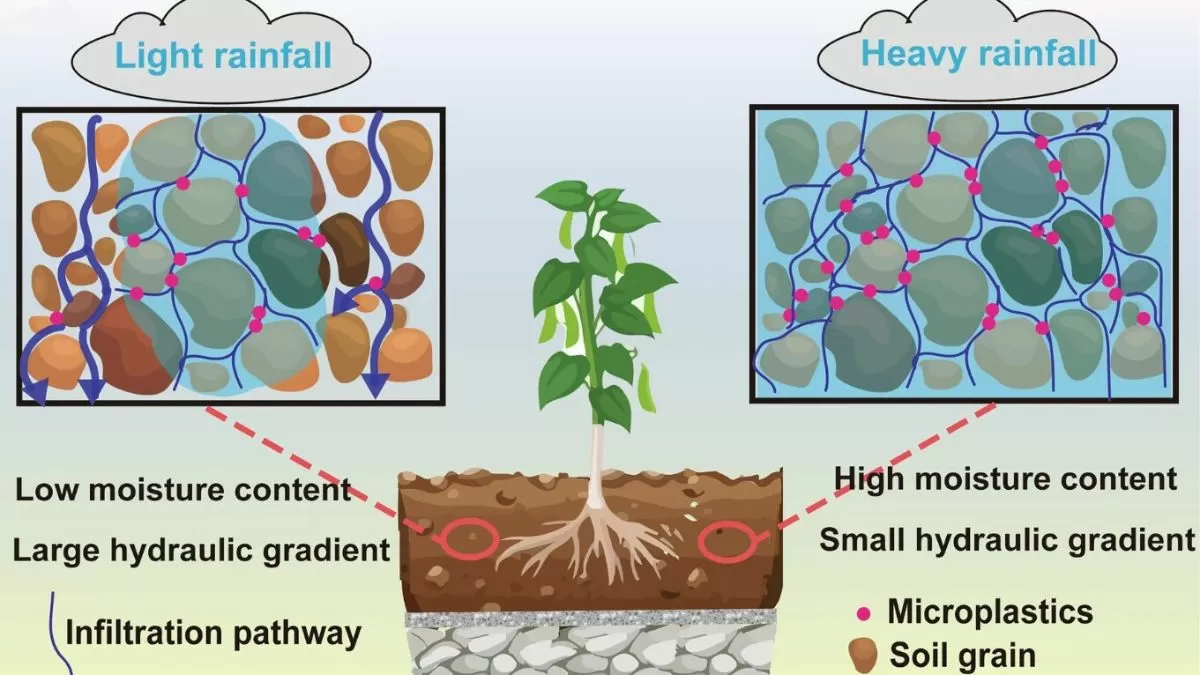
A recent study conducted by Tongji University in Shanghai has revealed a promising solution to the growing problem of microplastic pollution in urban areas. The study found that green roofs have the ability to trap a significant amount of rainborne microplastics, with soil being the main component responsible for capturing these harmful particles. If all rooftops in Shanghai were to go green, it could potentially remove a staggering 56.2 metric tons of microplastics every year.
Microplastics, which are tiny plastic particles less than 5mm in size, have become a major concern for environmentalists and health experts alike. These particles are often found in our water systems, soil, and even in the air we breathe. They are a result of the breakdown of larger plastic items such as bottles, bags, and packaging, as well as microbeads found in personal care products. Microplastics not only pose a threat to marine life but also have the potential to enter our food chain and harm human health.
The study, led by Professor Chen Xudong from the School of Environmental Science and Engineering at Tongji University, focused on the city of Shanghai, which is known for its high levels of air and water pollution. The team collected rainwater samples from different areas of the city and analyzed them for microplastic content. They found that the rainwater contained an average of 1.1 microplastic particles per liter, with the highest concentration being in the central business district.
However, the most significant finding of the study was that green roofs have the ability to trap a large percentage of these microplastics. Green roofs, also known as living roofs, are rooftops covered with vegetation and soil, providing a natural habitat for plants and animals. These roofs not only offer environmental benefits such as reducing energy consumption and improving air quality but also have the potential to mitigate microplastic pollution.
The study found that the soil on green roofs was able to capture 99% of the microplastics in the rainwater samples. This is due to the fact that the soil acts as a filter, trapping the particles and preventing them from entering the water system. The remaining 1% of microplastics were found to be trapped in the plants and their roots. This shows that green roofs not only have the potential to reduce microplastic pollution but also provide a natural and sustainable way to do so.
If all rooftops in Shanghai were to be transformed into green roofs, the study estimates that it could remove 56.2 metric tons of microplastics every year. This is a significant amount considering that Shanghai has a population of over 24 million people and is one of the most densely populated cities in the world. The study also suggests that this method could be applied to other cities facing similar pollution problems, providing a viable solution to tackle microplastic pollution on a larger scale.
The findings of this study have caught the attention of environmentalists and city planners, who see green roofs as a promising solution to the growing problem of microplastic pollution. The Shanghai government has already taken steps towards promoting green roofs by offering subsidies to building owners who choose to install them. This not only benefits the environment but also provides economic incentives for building owners.
In addition to trapping microplastics, green roofs also offer a range of other benefits. They help to reduce the urban heat island effect, where cities are significantly warmer than surrounding rural areas due to the high concentration of buildings and pavement. Green roofs also absorb rainwater, reducing the risk of flooding and easing the burden on drainage systems. They also provide a natural habitat for birds and insects, promoting biodiversity in urban areas.
The Tongji University study highlights the potential of green roofs as a solution to urban pollution, specifically microplastic pollution. It not only provides a practical and sustainable way to tackle this issue but also offers a range of other benefits for the environment and the community. With the support of governments and city planners, we can hope to see more green roofs in cities around the world, making our urban spaces greener and healthier for all.
