

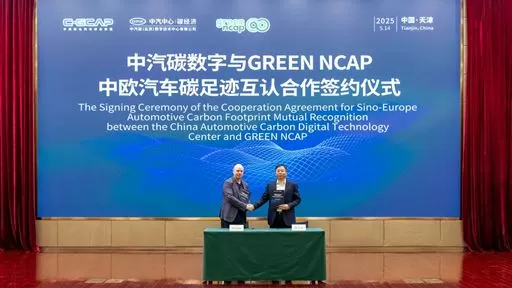
LEUVEN, BELGIUM – Today, Green NCAP, the independent organization that evaluates the environmental performance of cars, has taken a major step towards promoting sustainable practices in the automotive industry. In a joint effort with Chinese and European partners, they have announced the formation of the Sino-European Automotive Carbon Footprint Mutual Recognition Working Group.
This groundbreaking initiative aims to establish a common standard for measuring and reporting the carbon footprint of vehicles, in order to encourage the development of cleaner and more environmentally friendly cars. By bringing together experts from both China and Europe, the working group will work towards mutual recognition of each other’s carbon footprint standards, promoting transparency and cooperation between the two regions.
The formation of this working group is a significant milestone in the global effort to reduce carbon emissions and combat climate change. With the automotive industry being one of the major contributors to carbon emissions, it is crucial for all stakeholders to come together and work towards a common goal of reducing the environmental impact of cars.
Green NCAP, which stands for New Car Assessment Program, has been at the forefront of promoting sustainable practices in the automotive industry. Their independent testing and evaluation of new cars have helped consumers make informed choices about the environmental impact of their vehicles. With the formation of this working group, they are taking their mission to the next level by collaborating with international partners to create a unified approach towards reducing carbon emissions.
The Sino-European Automotive Carbon Footprint Mutual Recognition Working Group will not only promote cooperation between China and Europe but also encourage other countries to join in this effort. By establishing a common standard, it will be easier for car manufacturers to comply with regulations and for consumers to understand the environmental impact of their vehicles. This will also create a level playing field for all car manufacturers, regardless of their location, to compete in the global market.
The working group will focus on developing a comprehensive and transparent framework for measuring the carbon footprint of vehicles. This will include factors such as the production process, materials used, and the vehicle’s lifetime emissions. By considering the entire lifecycle of a car, the working group aims to provide a more accurate and holistic assessment of its environmental impact.
In addition to promoting sustainable practices, this initiative will also have a positive impact on the economy. By working together, China and Europe can create new opportunities for collaboration and innovation in the automotive sector. This will not only benefit the two regions but also have a ripple effect on the global economy.
The formation of the Sino-European Automotive Carbon Footprint Mutual Recognition Working Group is a testament to the commitment of both China and Europe towards reducing carbon emissions and promoting sustainable development. It is a step in the right direction towards creating a greener and more sustainable future for all.
Green NCAP and its partners are optimistic about the success of this working group and are committed to making a positive impact on the environment. With the support of governments, car manufacturers, and consumers, this initiative has the potential to bring about real change in the automotive industry.
As we move towards a more sustainable future, it is crucial for all stakeholders to come together and work towards a common goal. The formation of this working group is a shining example of what can be achieved when we collaborate and put the environment at the forefront of our priorities.
In conclusion, the Sino-European Automotive Carbon Footprint Mutual Recognition Working Group is a significant step towards promoting sustainable practices in the automotive industry. With the support of Green NCAP and its partners, we can look forward to a greener and more environmentally friendly future for the automotive sector. Let us all join hands and work towards a common goal of reducing carbon emissions and creating a better world for future generations.
