

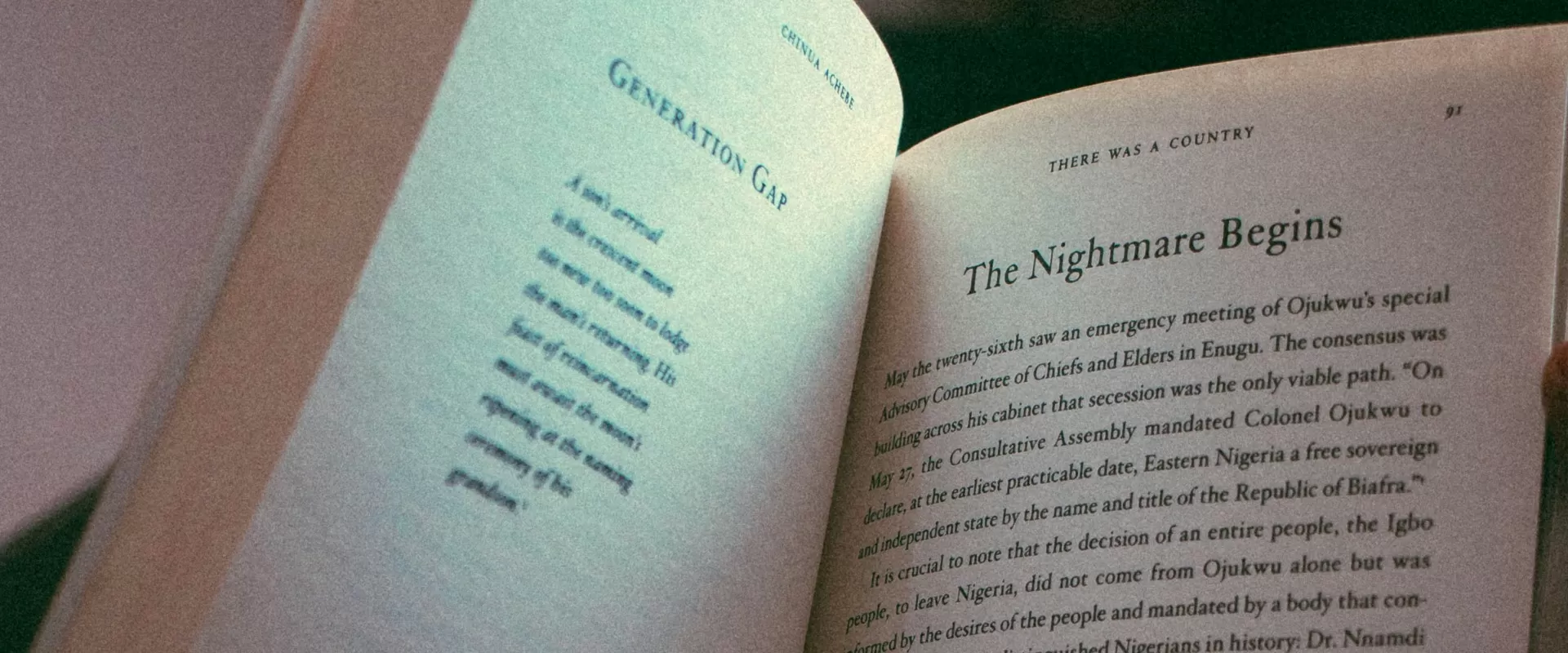
The concept of book banning and censorship has been a long-standing issue in higher education. It has sparked numerous debates and discussions among educators, students, and the general public. While some may argue that book bans protect students from controversial or inappropriate material, the reality is that they have serious implications for the future of academia. In this article, we will explore the ripple effect of book bans on the academy and why it is crucial to address this issue.
Firstly, book bans limit academic freedom, which is the cornerstone of higher education. In a university setting, the free exchange of ideas and diverse perspectives are essential for intellectual growth and critical thinking. By banning certain books, we are limiting the range of ideas and opinions that students are exposed to. This not only hinders their ability to think critically but also goes against the very purpose of education – to broaden one’s perspective and challenge conventional thinking.
Furthermore, book bans also restrict academic research and scholarship. In any field of study, it is crucial to have access to a wide range of resources and literature to conduct thorough research and produce well-informed work. By banning books, we are limiting the available resources and hindering the progress of academic research. This not only affects the individual student or researcher but also has a wider impact on the advancement of knowledge in their field.
Moreover, book banning and censorship also have a significant impact on diversity and inclusion in higher education. By banning books that contain diverse perspectives or address sensitive topics, we are silencing marginalized voices and hindering efforts towards creating a more inclusive learning environment. This not only goes against the principles of diversity and equality but also deprives students of the opportunity to learn about different cultures, identities, and experiences.
In addition to these direct consequences, book bans also have a ripple effect on the future of the academy. By creating a culture of censorship and limiting academic freedom, we are discouraging students from pursuing higher education. This not only affects enrollment rates but also has long-term implications on the quality of education and the intellectual growth of future generations. It also sends a message to the world that our institutions of higher learning are not open to diverse perspectives and ideas, which can harm their reputation and international standing.
Furthermore, book banning and censorship have the potential to create a chilling effect on academic discourse. Students and faculty members may feel hesitant to explore controversial topics or express their opinions freely, fearing repercussions from authorities. This can stifle important discussions and limit the exchange of ideas, hindering the academic and personal growth of students.
So what can be done to address this issue? Firstly, it is crucial for universities to have clear policies and procedures in place when it comes to book banning and censorship. These policies should be transparent and inclusive, involving input from students, faculty, and community members. In addition, institutions must promote the value of academic freedom and diversity, both in their policies and in their actions. This can be done by hosting events and discussions that promote open dialogue and encourage the free exchange of ideas.
Moreover, it is essential for students and faculty members to be aware of their rights and responsibilities when it comes to academic freedom. They should be encouraged to speak up and challenge any attempts at book banning or censorship, and be supported by their institution in doing so.
In conclusion, book bans and censorship in higher education have serious implications for the future of academia. They limit academic freedom, restrict research and scholarship, and hinder efforts towards diversity and inclusion. It is crucial for universities to address this issue and promote a culture of openness, diversity, and critical thinking. Only then can we ensure that our institutions of higher learning continue to evolve and provide a truly enriching and transformative education for all.
